Oversized Loads: What Counts, What It Takes, and What It Costs
A load becomes “oversize” the moment it exceeds a state’s legal limits for width, height, length or weight, and from that moment it stops being ordinary freight. It needs permits in every state it crosses, it may need escort vehicles, it can only move at certain hours, and the route it takes is decided by bridges and overpasses rather than by the shortest line on a map.
None of that is difficult. It is just different, and the difference is where most of the cost and nearly all of the delay comes from. Here is how it actually works.
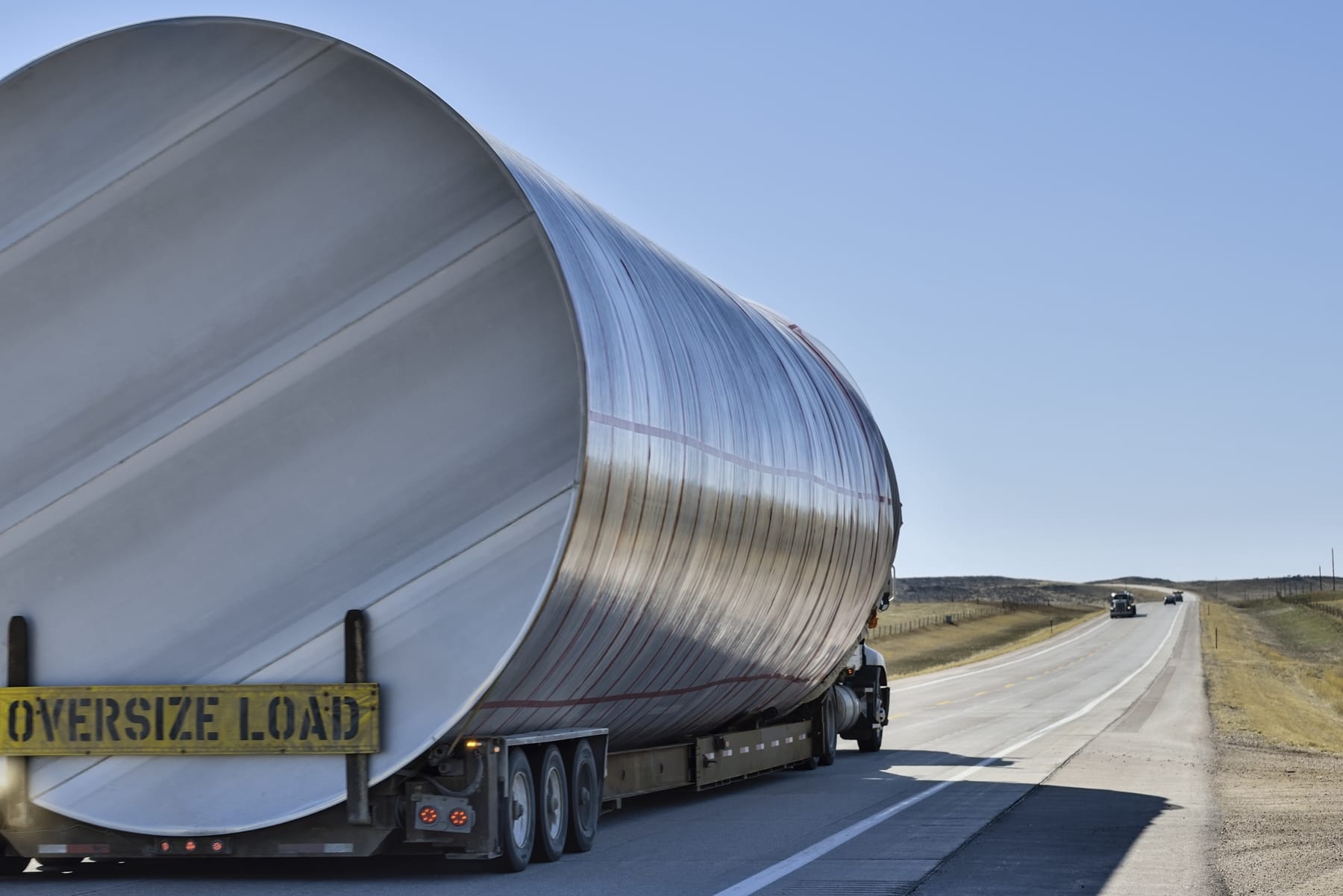
The Numbers That Define Oversize
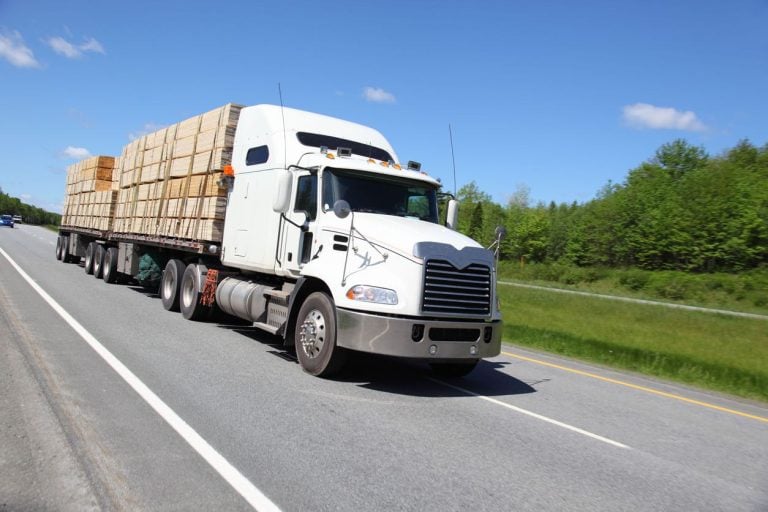
Federal law sets limits on the interstate system, and states set their own on the roads they control. The commonly used baseline is 8 feet 6 inches wide, 13 feet 6 inches high in most states and 14 feet in many western ones, and 80,000 pounds gross combination weight with limits on individual axles.
Cross any one of those and you are in permit territory. Cross several at once and the permitting gets more involved, because width, height and weight are each evaluated separately and each can trigger its own conditions.
Weight is the one people underestimate. A load can be perfectly legal in width and still need a permit because of how much it weighs or how that weight sits across the axles. That is why the first question on any oversize quote is not just the dimensions but the weight and where the load’s center of gravity falls.
Permits Are Per State, Not Per Trip
There is no single national oversize permit. Every state the load passes through issues its own, with its own fee, its own validity window and its own conditions.
This has practical consequences. Permits usually specify a route, so the truck is not free to divert. They usually specify dates, so a truck delayed at pickup may need permits reissued. And they are not all granted at the same speed: some states turn a routine permit around in hours, while an unusual load needing an engineering review can take days or longer.
Superload permits are the far end of this. When a load is heavy or large enough to require structural analysis of the bridges on its route, the state may require an engineering study before it approves anything, and that timeline is measured in weeks rather than days.
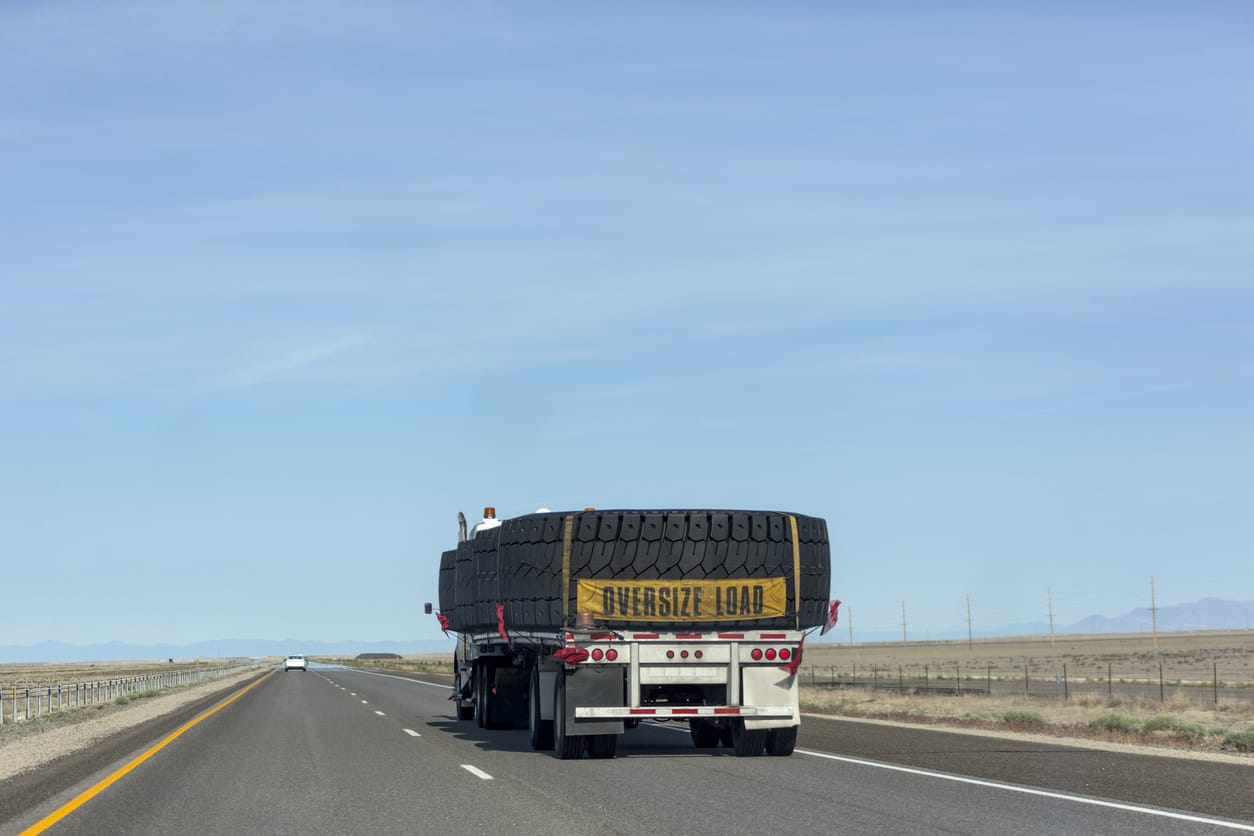
Escorts, Signs and Curfews
Three conditions show up on most oversize permits, and each affects the schedule.
Escort vehicles. Above certain widths or lengths, states require one or more pilot cars, and above a further threshold they may require a police escort. Some states also require a height pole car on tall loads, which is a pilot vehicle with an adjustable pole set slightly above the load height to detect a low obstruction before the trailer reaches it. Escorts are a separate cost and have to be arranged along the route.
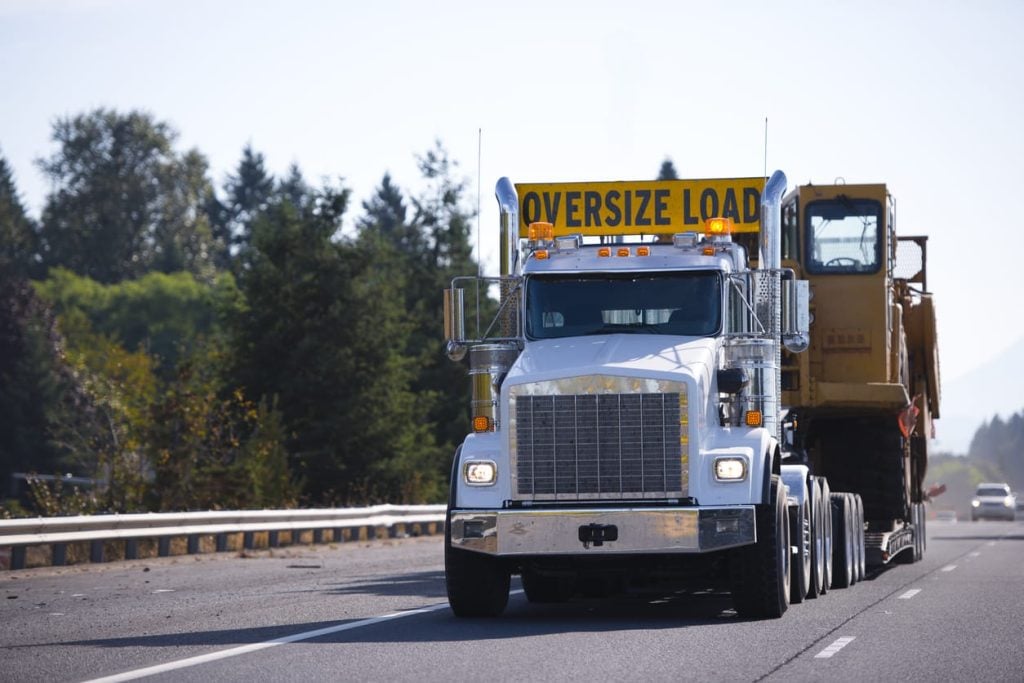
Signage and flags. Oversize load banners, warning flags on the widest points and additional lighting are standard requirements, with the specifics varying by state.
Travel restrictions. Most oversize permits limit travel to daylight hours. Many prohibit movement on weekends and holidays, and some restrict travel through metropolitan areas during rush hour. A load that could physically cover 500 miles in a day may be permitted to move for only eight or nine hours of it.
Add those together and the honest expectation is that an oversize move covers less ground per day than an ordinary one. Planning around that is easier than being surprised by it.
The Equipment Decides What Is Possible
Trailer choice is not a preference. It is what makes the height numbers work.
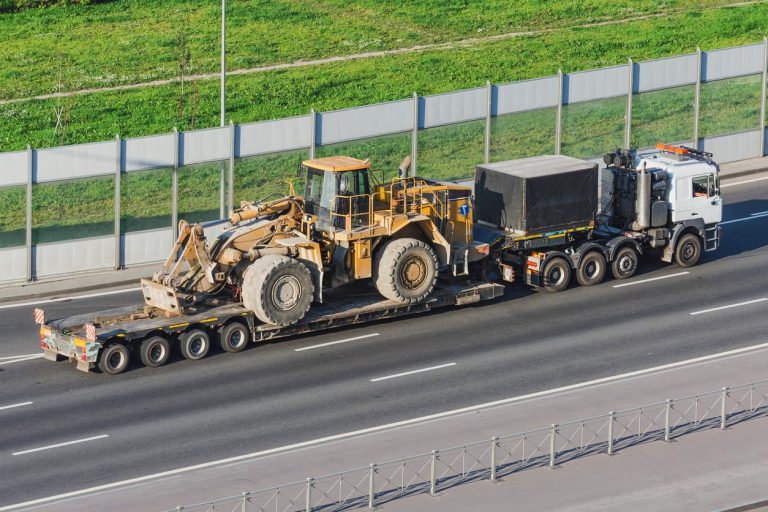
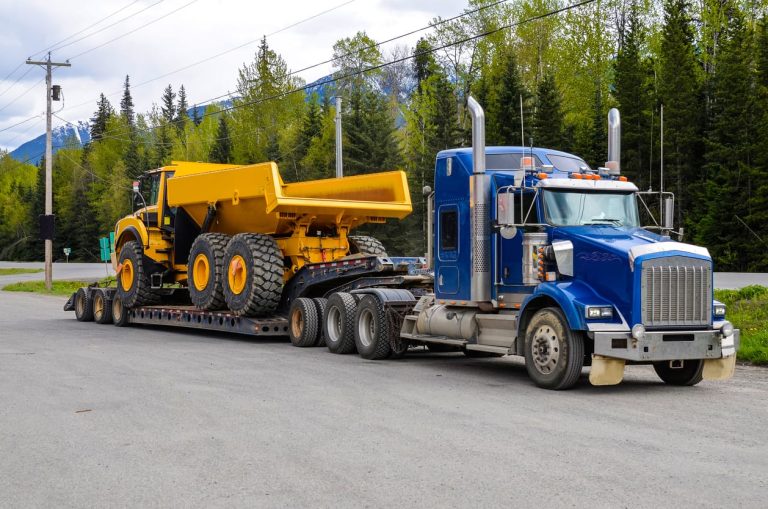
A standard flatbed sits around 5 feet off the ground, so a 10 foot tall machine on one is close to 15 feet overall and immediately over height. A step deck lowers the main deck by roughly a foot and a half. A double drop or a removable gooseneck lowers the well section to around 2 feet, which is what allows tall equipment to travel without a height permit at all in some cases.
Removable gooseneck trailers have a second advantage: the front detaches and the deck lowers to the ground, so tracked or wheeled equipment can be driven straight on rather than craned. For heavy machinery that is often the difference between a straightforward load and an expensive one.
Very heavy loads move to multi axle configurations, where additional axles spread the weight to keep individual axle loads within limits. More axles means more permit cost and more equipment, which is a large part of why weight escalates price faster than size does.
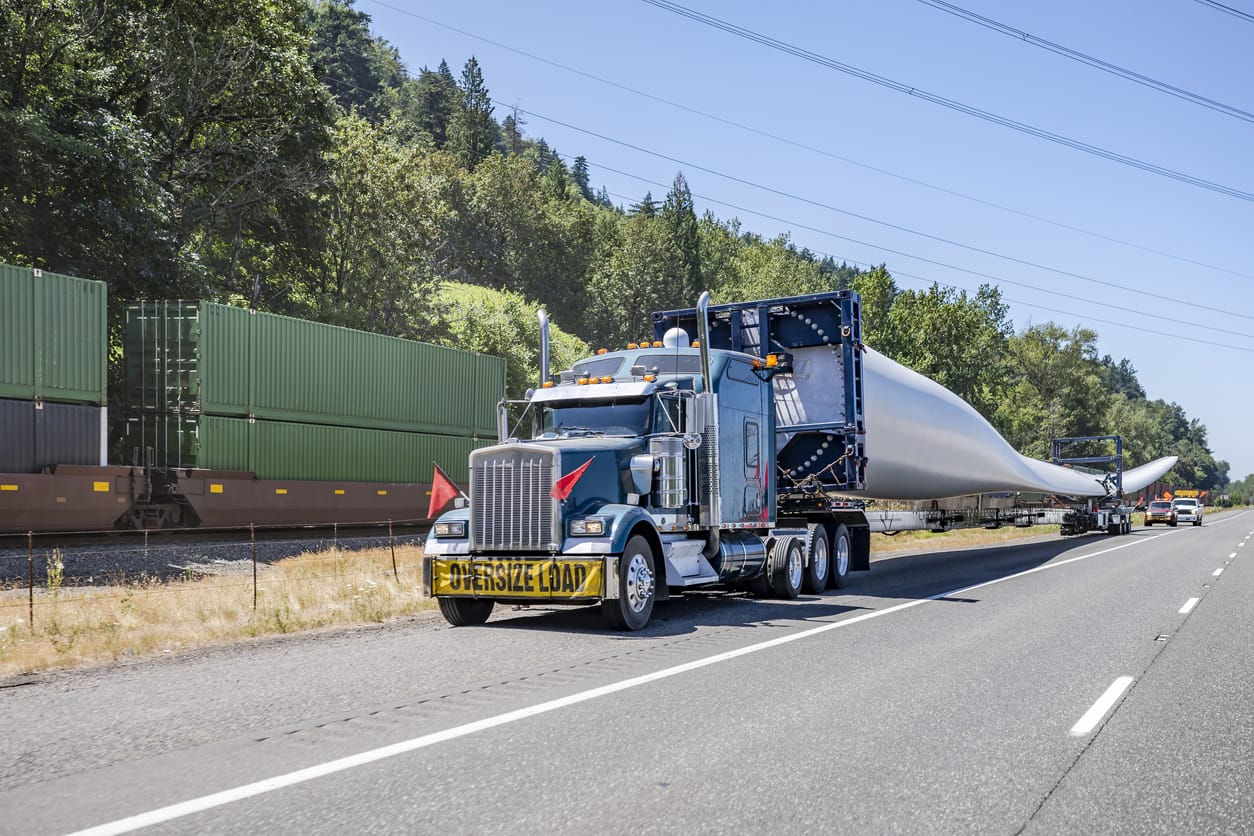
Route Survey and Site Access
On larger loads the route is surveyed before the truck moves: bridge clearances, overpass heights, weight ratings, turning radii at intersections, construction zones and any low utility lines. That survey is what produces the permitted route, and it is why the approved path can look indirect.
The other half is access at both ends. A 100 foot combination needs somewhere to turn around, ground firm enough not to sink under the weight, and clearance to maneuver. If the site cannot take that, the load is transferred at a staging point nearby, which adds equipment and time. Establishing this before booking rather than at the gate is the single most useful thing a shipper can do.
What Actually Drives the Price
Five things, roughly in order of impact.
Weight and axle count come first, because they determine the equipment and the permit class. Dimensions come next, since they set escort requirements. Distance and states crossed matter because each state adds its own permit fee and its own rules. Route difficulty covers surveys, detours and any bridge analysis. And timing matters because curfews and daylight restrictions lengthen transit, while a tight delivery window narrows the pool of carriers who can commit.
What does not vary much is the paperwork. Every legitimate oversize move carries the permits, the insurance certificate and a bill of lading that describes the load accurately. A quote that skips the permit conversation entirely is not cheaper; it is incomplete, and the difference shows up at a scale house.

What to Have Ready Before You Call
The quote gets faster and more accurate with five facts: exact dimensions including any removable parts, actual weight, whether the item rolls or must be lifted, both addresses with a note on access, and your date range. Photographs help more than descriptions do.
If the piece can be partly disassembled, say so. Removing a cab, a boom, a blade or a stack sometimes brings a load back under a threshold and removes an escort requirement entirely, and the saving on permits and pilot cars usually exceeds the cost of the labor.
Common Questions
When does a load become oversize? Above 8 feet 6 inches wide, roughly 13 feet 6 inches high, standard trailer length limits, or 80,000 pounds gross, with variations by state.
Do I need a permit for every state? Yes. Permits are issued per state, each with its own fee, route and conditions.
Why do escorts get required? Width, length and height thresholds trigger pilot cars, and larger loads may require police escorts or a height pole vehicle.
Why is transit slower than normal freight? Most permits restrict movement to daylight hours and often prohibit weekends, holidays and rush hour in cities.
Can disassembly reduce the cost? Frequently. Dropping under a width or height threshold can remove escorts and reduce the permit class.
Get a Quote
Call Ship A Car, Inc. at (866) 452-3657 with dimensions, weight, both addresses and your date range, or price the move with the specialized transport calculator.