Is the Manual Transmission Finished?
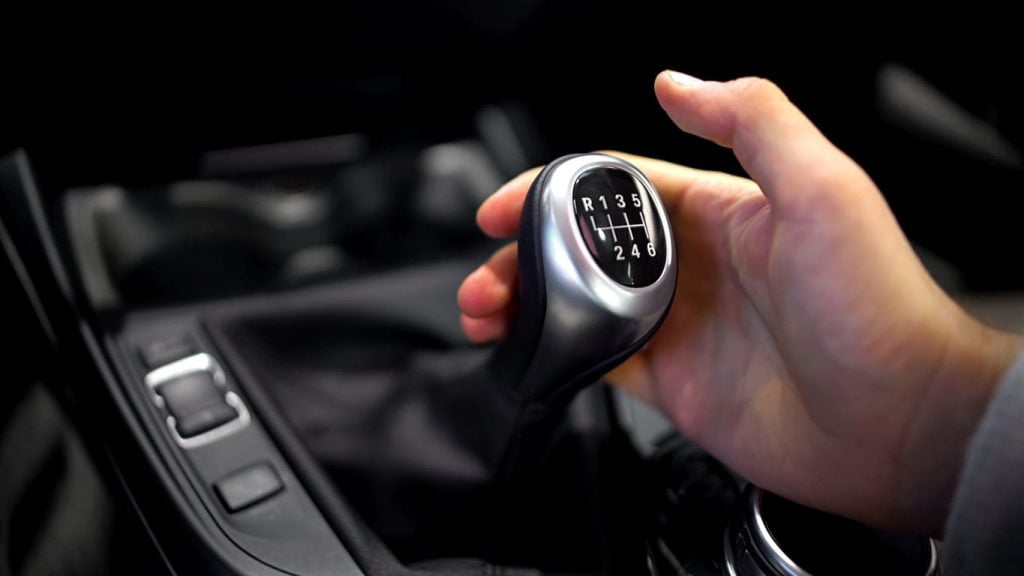
Manual transmissions have fallen to a very small share of new cars sold in the United States, and the reason is not that people stopped enjoying them. It is that the automatic got better. Modern torque converter and dual clutch gearboxes shift faster, return better fuel economy and, in most cars, are simply quicker than the manual version of the same vehicle.
That removed every practical argument for the manual and left only the enjoyable one, which is a much smaller market.
What Actually Killed It
Three things, in order of weight.
Automatics overtook manuals on the numbers. For decades a manual meant better economy and a lower purchase price. Both stopped being true. An eight or ten speed automatic keeps the engine in its efficient band more consistently than a driver can, and a dual clutch shifts faster than any human.
Emissions and fuel economy testing. Manufacturers certify each transmission variant separately, at real cost. When a manual sells in tiny numbers, certifying it stops making sense, which is why it disappears from options lists before demand disappears.
Electrification. An electric motor makes its torque immediately across a wide band and needs no multi speed gearbox at all. As lineups shift toward electric and hybrid, the question stops being manual or automatic and starts being whether there is a gearbox at all.
Where It Survives
It has not vanished, it has retreated to the places where the driving is the point.
Sports cars and driver-focused models still offer it, and a handful of manufacturers have made a deliberate commitment to keeping it in their performance lines. Off-road vehicles retain it in places. Entry level economy cars keep it in some markets, though far fewer than a decade ago.
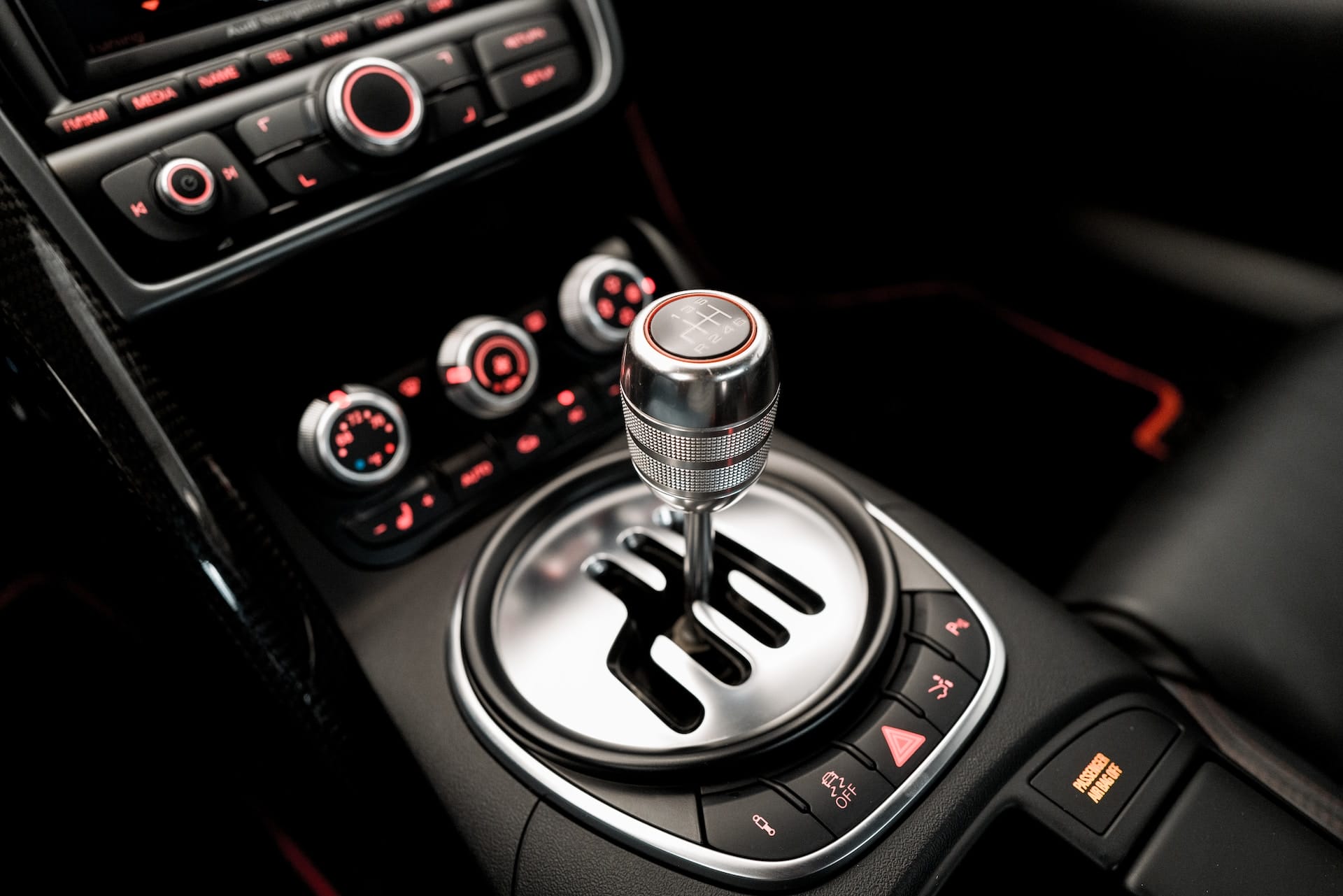
Second hand is where most manual buying now happens. A driver who wants one is generally shopping used, and that has an effect worth knowing: desirable manual versions of enthusiast cars often hold value better than their automatic equivalents, because the supply is fixed and shrinking.
The Practical Consequences
Two that matter if you own one or are buying one.
Fewer people can drive it. That sounds trivial until you need someone else to move the car: a valet, a mechanic, a family member, or a driver loading it onto a transport trailer. It is worth knowing that not everyone who handles your car will be comfortable with three pedals.
Repair expertise is thinning. Clutch work is ordinary, but as volumes fall the number of technicians who do it routinely falls with them, particularly outside major metros.
Learning to Drive One Now
The practical difficulty is finding a car to learn in. Driving schools rarely have manuals, rental fleets have none, and most people who own one are reluctant to hand it to a beginner. That scarcity is self-reinforcing: fewer learners means fewer buyers, which means fewer models offered.
If you are buying a manual as a first one, the sensible route is an inexpensive used car with a forgiving clutch rather than the performance model you actually want. Learning on something with a heavy clutch and a narrow biting point makes an awkward skill harder than it needs to be.
It is also worth knowing that hill starts, parking maneuvers and stop-start traffic are the parts that take practice, not ordinary driving. Those are exactly the conditions a transport driver faces at a loading ramp, which is the reason the declaration below matters.
Shipping a Manual Car
This is where it becomes our problem rather than an abstract one, and it is genuinely worth declaring at booking.
Loading a vehicle onto a hauler means driving it up a ramp onto an inclined deck and stopping it precisely, sometimes with very little room. Doing that on a clutch, on an incline, with an unfamiliar biting point, is a different task from doing it in an automatic. Most car haulers can drive a manual, but not all can, and the driver who arrives is whoever the carrier assigned.
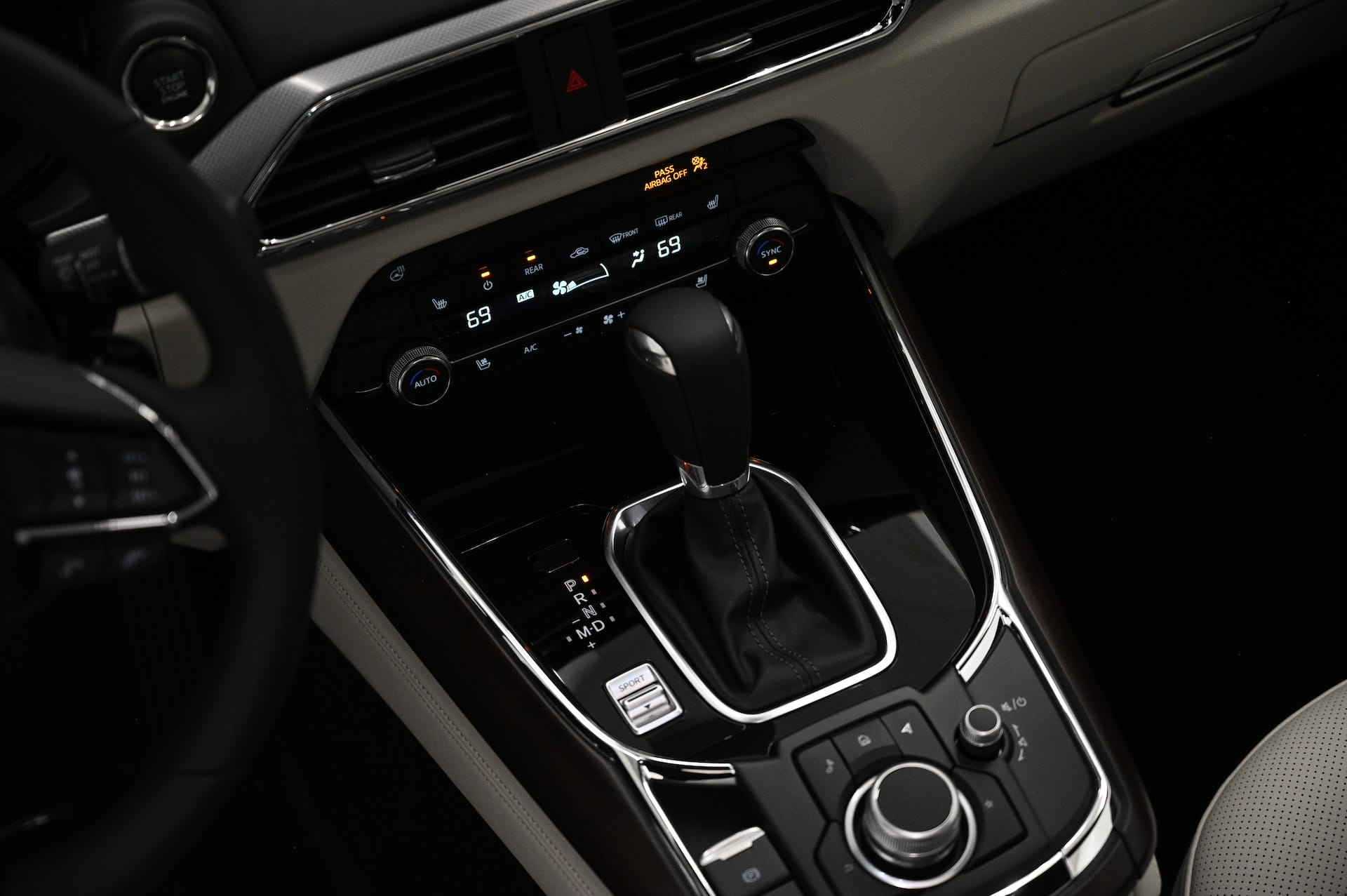
Say the car is a manual when you book. It costs nothing and it means the load goes to a carrier whose driver is comfortable with it. If the clutch is heavy, the biting point unusual, or there is a quirk to starting it, write that down and hand it over with the key rather than assuming it will be worked out at the ramp.
Everything else is ordinary. Leave about a quarter tank of fuel, empty the cabin completely since personal items are not covered by cargo insurance, photograph every panel in daylight including wheels and lower bumpers, and leave the car in gear with the parking brake set unless the driver asks otherwise. What else affects the job is covered in what determines the price of shipping a car.
One last point worth knowing if you are selling rather than shipping: the buyer pool for a manual is smaller, but it is also more motivated. Enthusiast models in particular tend to find a buyer quickly at a fair price precisely because the people looking have already ruled out the automatic versions.
Common Questions
Are manuals actually disappearing? From new car sales, largely yes. They survive in sports cars, some off-road models and the used market.
Why did automatics win? They became faster and more economical than manuals, which removed every practical reason to choose one.
Do manuals hold value? Desirable enthusiast models often do, because supply is fixed and shrinking.
Does a manual cost more to ship? No, but declare it. Not every carrier’s driver is comfortable loading one on an inclined ramp.
How should I leave it for transport? Quarter tank, empty cabin, in gear with the parking brake set, and a note about any starting or clutch quirk.
Get a Quote
Call Ship A Car, Inc. at (866) 821-4555 with both zip codes and your date range, and say if the car is a manual, or price the move with the instant calculator.