How to Transport a Modular Home
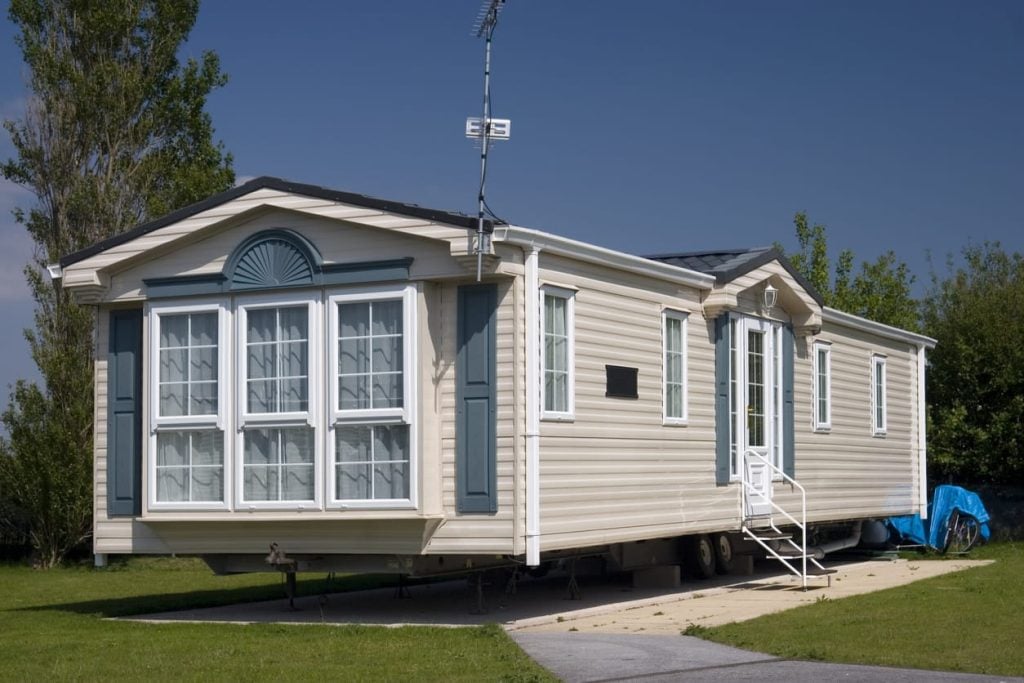
A modular home does not ship as a house; it ships as sections, and the number of sections is the first thing that decides the cost. A single wide travels as one unit. A double wide is two loads. A larger modular build can be four sections or more, each one its own permitted move with its own escorts, and they have to arrive in the order the crane will set them. Getting that count right at the first conversation is what makes the rest of the quote meaningful.
Every Section Is a Permitted Load
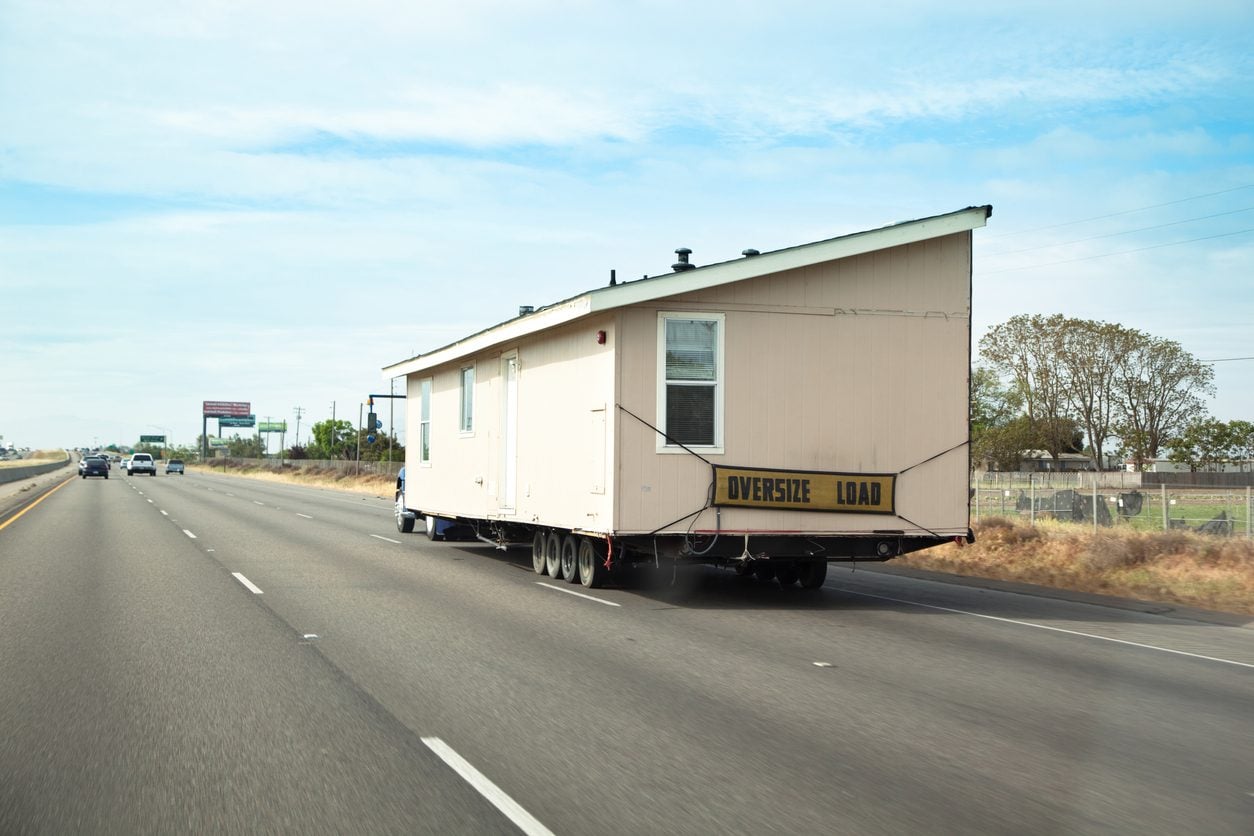
There is essentially no such thing as a legal width modular section.
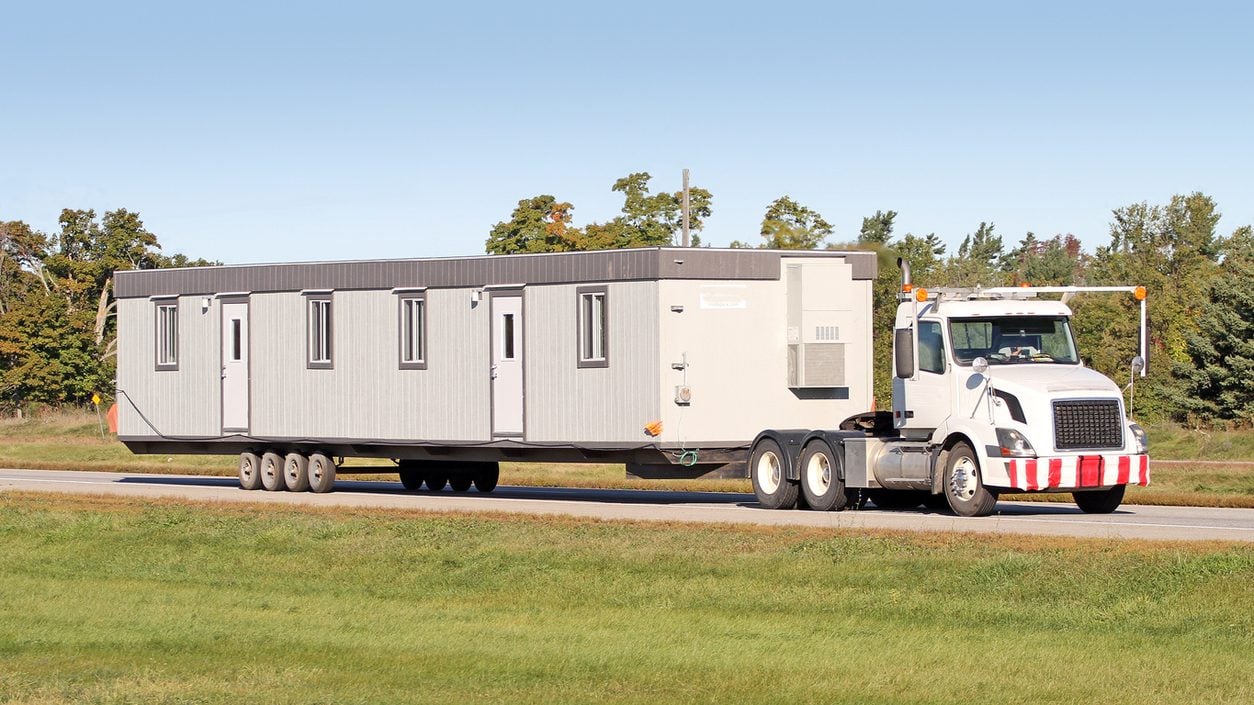
A single wide runs roughly 14 to 18 feet wide against a legal limit of 8 feet 6 inches. Height is commonly 13 to 15 feet on the transport frame, against a 13 feet 6 inch limit measured from the road. Length regularly exceeds 60 feet, and weight runs 15,000 to 30,000 pounds per section.
So every section needs a state permit for every state on the route, and at those widths escorts are required: usually one at the lower end, two once you are past roughly 14 to 16 feet depending on the state. On the widest sections some states require a route survey before they will issue a permit at all.
That is the reason a modular home move costs what it does. You are not paying for mileage; you are paying for a convoy, repeated per section.
The Route Decides Everything
An 18 foot wide load cannot use a road that an ordinary truck uses without thinking.
The permitted route is built around clearances, turning radii at every junction the section has to negotiate, bridge load ratings, overhead lines, and local restrictions. It is frequently far from the shortest path, and leaving it is a violation.
The last mile is usually the hardest part. A rural site down a narrow lane, a subdivision with tight corners, or a property behind overhead cables can be the reason a move is impossible rather than merely expensive. That is worth establishing before anything else is booked, because it occasionally changes the answer entirely.
Have the Site Ready First
This is the step that most often causes an expensive delay, and it has a lead time you cannot compress on the day.
The foundation or piers must be poured, cured and inspected before the sections arrive. Utilities need running to the position. The access route on the property has to take a 60 foot plus load and the crane behind it, and the ground has to bear the crane’s weight, which is a great deal more than the house.
Sections cannot sit on the road waiting for a site to be ready. If the foundation is not signed off, the move does not happen, and rescheduling a permitted convoy is not a phone call.
Sequence and the Set
The order sections arrive in is the order they are set in, and it cannot be changed once the crane is working.
A crane lifts each section off its transport frame and places it on the foundation, then the sections are joined, or married, along the seam. That work needs the crane, a crew, and enough room beside the foundation to lay out and maneuver.
Plan the arrival sequence with whoever is doing the set, not with the transport company alone. A section arriving out of order means either storing it on site, which frequently is not possible, or paying a crane crew to wait.
Weather and Timing
Permitted loads move in daylight, on weekdays, outside peak hours, and they do not move in high wind.
A modular section is a large flat surface, which makes wind a genuine constraint rather than a caution: a move can be stopped mid route and held until conditions allow. Winter across northern states adds the usual snow closures on top.
Build slack into the schedule accordingly, and do not book a crane crew to a date that assumes everything runs perfectly.
Preparing the Sections
Most damage on these moves is to the wrap and the open seam rather than to the structure.
Each section leaves the factory with the open side sheeted, and that covering has to be secured well enough to survive highway speed for hundreds of miles. Check it before departure rather than trusting it. Anything loose inside needs securing, windows and doors need protecting, and any protruding element that can be removed should be, since a foot of width or height changes the permit.
Photograph every section, including the sheeted face and the roof line, before it leaves.
Common Questions
How many loads is a modular home? One per section. A single wide is one, a double wide is two, and larger builds are four or more.
Does it always need a permit? Yes. Sections are 14 to 18 feet wide against an 8 feet 6 inch limit, so every section is oversize.
Do I need escorts? Almost always, and often two, depending on the width and the state.
What has to be ready at the site? A poured, cured and inspected foundation, utilities run, and access plus ground bearing for the crane.
Can sections wait if the site is not ready? Not on the road. A permitted convoy has to be rescheduled, which is neither quick nor cheap.
Get a Quote
Call Ship A Car, Inc. at (866) 452-3657 for heavy haul and specialized freight, with the number of sections, the measured width, height and length of each, and both site addresses.