How to Ship a Piano
A piano is heavy, top heavy and structurally fragile in exactly the places you would grab it, and the single most useful thing you can do is stop thinking of it as furniture. An upright weighs as much as a small motorcycle and carries most of that weight high and toward the back. A grand comes apart. Both need people who move pianos rather than people who move boxes.
Know Which Piano You Have
The type dictates the method, so start here.
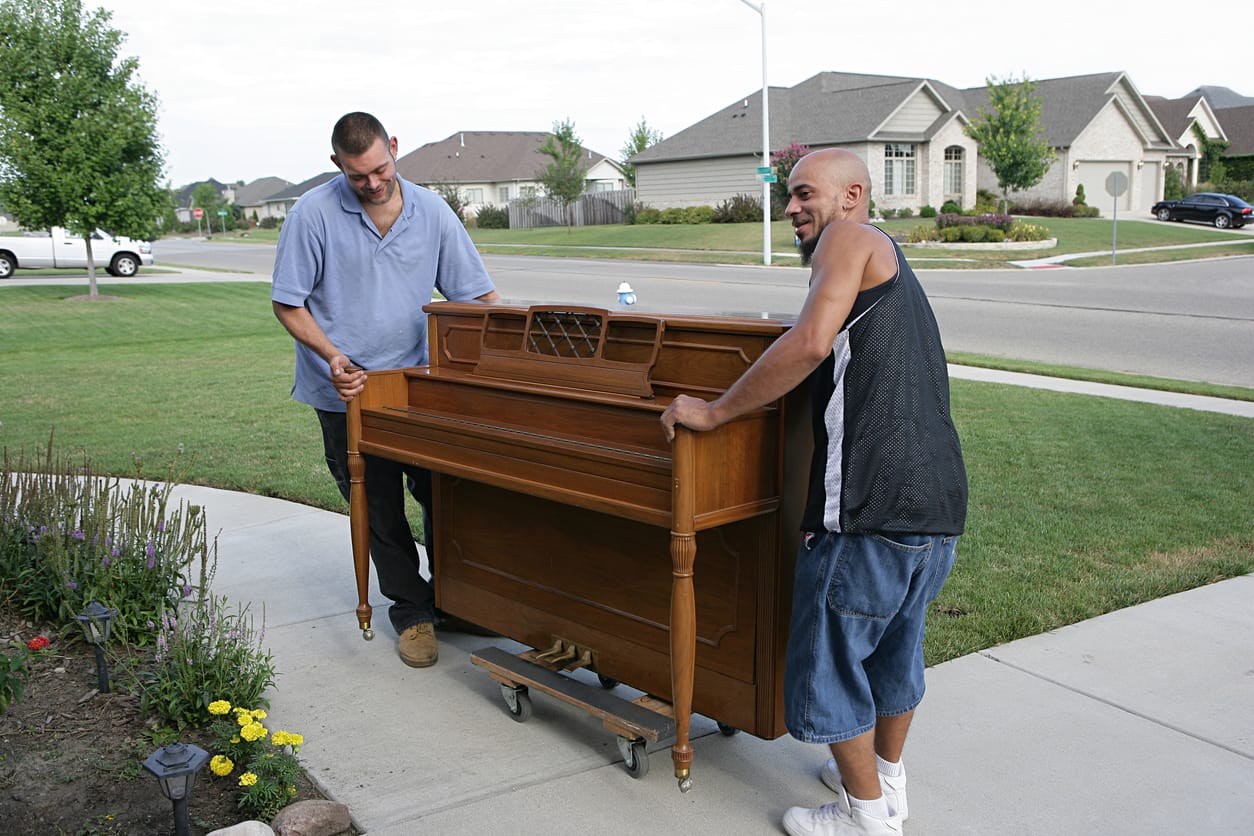
A spinet or console upright is the smallest, roughly 300 to 500 pounds. A studio upright runs 400 to 600. A full upright, the tall older kind, reaches 500 to 800 pounds and is the most awkward of the uprights because so much mass sits high.
Grands are heavier and they disassemble. A baby grand at around 5 feet runs 500 to 650 pounds; a parlor grand at 6 feet runs 600 to 750; a concert grand at 9 feet can exceed 1,200 pounds. The legs, lyre and pedal assembly come off, and the case travels on its side on a padded board.
Digital pianos are ordinary freight by comparison and need no special handling beyond sensible packing.
Why Weight Distribution Matters
This is what makes a piano dangerous rather than merely heavy.
An upright carries the plate, the strings and the action high in the case, so the center of gravity is well above the midpoint and toward the back. Tilt one and it wants to keep going. That is why piano movers use straps and a board rather than lifting from the ends, and why an upright is never walked down stairs by hand.
Grands are worse in a different way. The case is supported by three legs, and the legs are attached to a rim that is strong vertically and not designed to be a lifting point. Lifting a grand by a leg is how legs snap off and how somebody gets hurt.
How a Grand Comes Apart
Disassembly is standard for anything larger than a baby grand and it follows a fixed order.
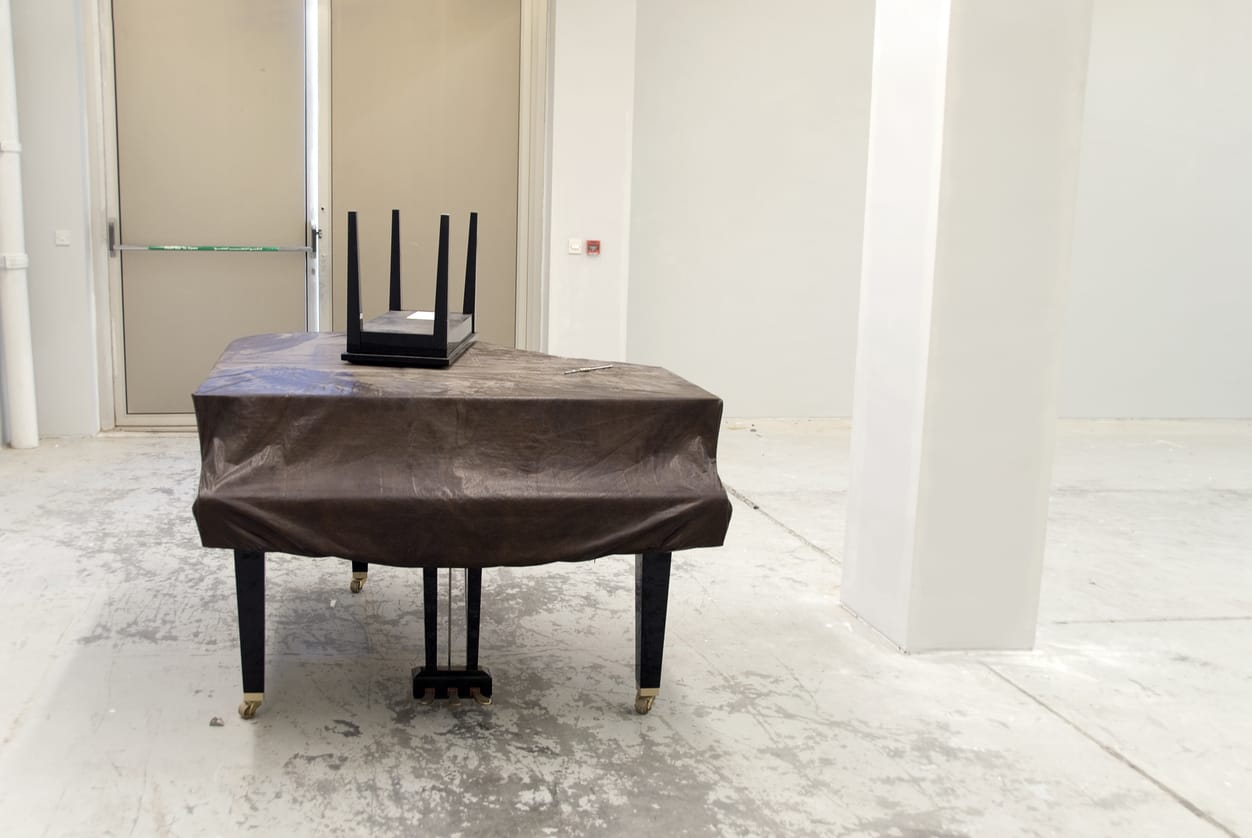
The lid is closed and locked, the music desk removed, the lyre and pedal assembly detached and wrapped separately, and then the piano is tilted onto a padded piano board on its straight side while the leg on that side is removed. The remaining legs come off once the case is on the board.
Each part is wrapped individually. Hardware goes in a labeled bag with the part it belongs to. The case is strapped to the board and moved on a skid, never carried.
This is skilled work and it is the part to pay for. A grand reassembled with the lyre misaligned will not pedal properly, and that is a tuner call rather than something you fix yourself.
Climate Matters More Than People Expect
A piano is a wooden instrument under enormous string tension, and it responds to humidity and temperature.
Rapid changes are the problem rather than any particular level. Wood swells and shrinks, the soundboard moves, and the tuning goes with it. A piano that crosses several climate zones on an unheated truck in winter will need attention on arrival regardless of how well it was handled.
On a valuable instrument, ask about climate controlled transport. On any piano, plan to have it tuned after the move, and give it time to acclimate to the new room first. Two weeks in position before tuning is a reasonable rule, and it saves paying for two tunings.
Access at Both Ends
Pianos live in living rooms and go to living rooms, and the route in and out is where these jobs get complicated.
Measure the doorways, the hallway turns, the stair widths and the landings before booking. A full upright coming down a turn in a staircase is a genuine problem, and it is one the crew needs to know about in advance so they bring the right people and equipment.
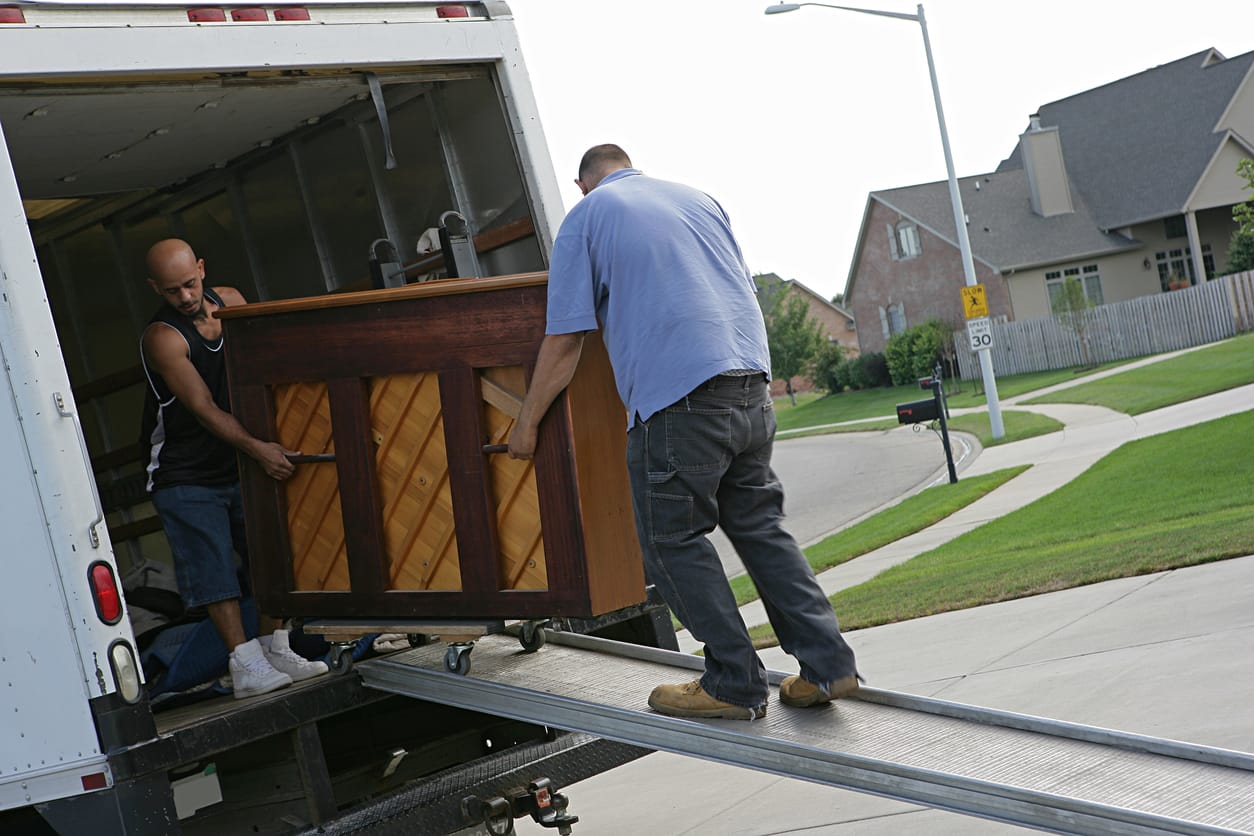
Stairs, tight turns, elevators with weight limits and long carries all affect price, and none of them is a surprise if you mention them when you get the quote. Being surprised on the day is what turns a straightforward move into a rescheduled one.
Where a piano cannot come out through the building, hoisting through a window is occasionally the answer. That is a planned specialist operation rather than something arranged on the morning.
Insurance Needs Declaring
Standard cargo cover is calculated by weight and bears no relationship to what a piano is worth.
Declare the value in writing before it moves. On an instrument of genuine value, get a current appraisal, and photograph the case, the legs, the pedals, the keys and the interior before it is wrapped. Note any existing damage specifically on the paperwork rather than accepting a general description.
Ask what is excluded as well as what the limit is. Tuning drift after a move is normal and will not be covered by anybody; structural damage is a different matter.
What It Costs and Why
Price is driven by weight, distance, and above all by access.
A local upright move on one level at both ends is the cheap case. A long distance grand with stairs at both ends, disassembly, and climate control is many times that. Neither number is arbitrary: the crew size and the time on site are what change.
Get the quote against an honest description of both ends. A quote given for ground floor to ground floor and executed with a flight of stairs is a quote that changes. For a comparable specialty item with the same access problem, see our guide to shipping a pool table.
Common Questions
How much does a piano weigh? Uprights run 300 to 800 pounds depending on size. Grands run 500 to over 1,200 for a concert instrument.
Does a grand have to be taken apart? Anything larger than a baby grand, effectively yes. The legs, lyre and pedals come off and the case travels on its side on a padded board.
Will it need tuning afterward? Almost certainly. Let it acclimate in position for about two weeks first, then tune once rather than twice.
Do stairs cost more? Yes. Stairs, tight turns and long carries change the crew size and the time on site, which is what you are paying for.
Is my piano covered? Only to the standard cargo limit unless you declare the value in writing before it moves.
Get a Quote
Call Ship A Car, Inc. at (866) 452-3657 for specialized freight with the piano type and size, the access at both ends including stairs, and the declared value, or price it with the specialized transport calculator.