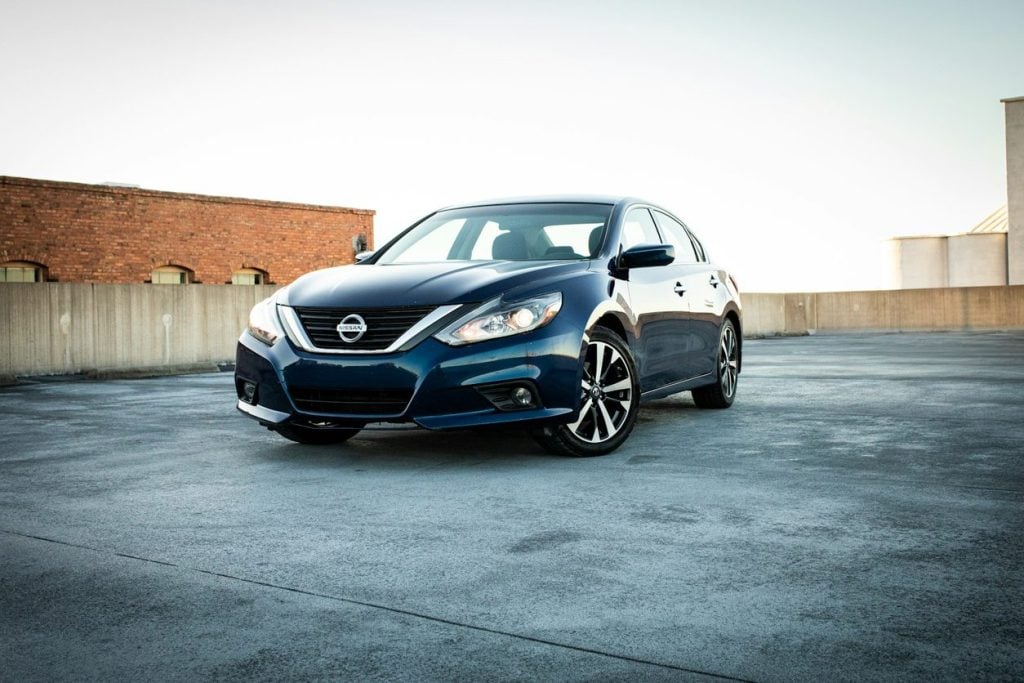
How to Ship a Nissan Altima
An Altima is one of the cheapest and easiest cars in America to ship, and the reason is simply that there are so many of them. It fits a standard carrier slot without anyone thinking about it, every driver has loaded hundreds, and nothing on the car needs special handling. The only detail worth raising when you book is whether it runs, because a non running Altima has to be winched rather than rolled, and that is a different truck.
Why a Common Car Costs Less to Move
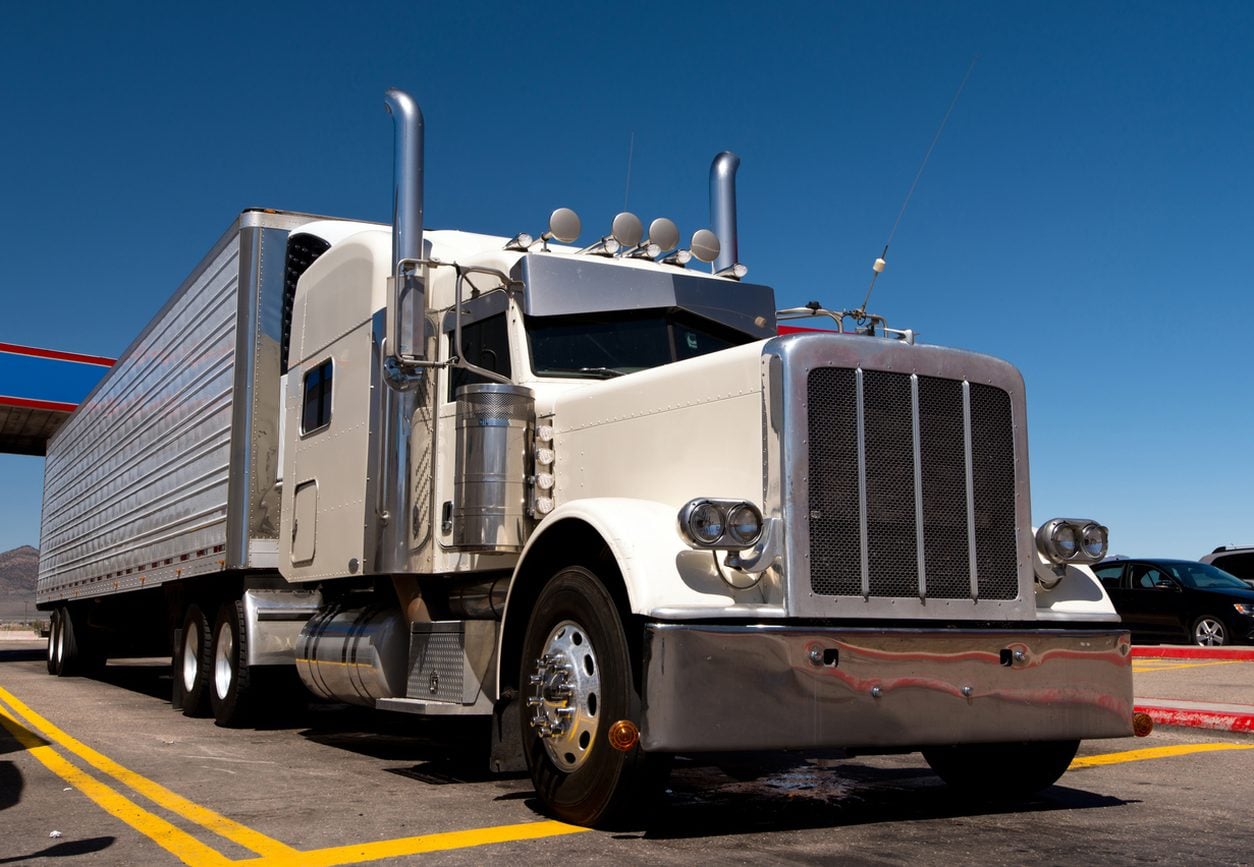
Carriers price on the space a vehicle takes, the weight it adds and how much thought it requires. A mid size sedan scores well on all three.
It occupies an ordinary slot rather than displacing two, it is light enough not to eat into the trailer’s weight allowance, and its ground clearance means it drives up a ramp without anyone getting out a plank. A driver who has loaded the same model a hundred times is not weighing up risk, and that shows up in what they are willing to accept for the load.
The practical consequence is that an Altima moves on ordinary open transport at the lower end of sedan pricing, and it gets assigned quickly because any carrier can take it.
If It Does Not Run, Say So
This is the one thing that genuinely changes the job, and it is the thing most often left off a booking.
A car that will not start, steer or roll needs a carrier with a winch, which is not every truck. Booked as running, it gets refused at the curb, the slot is lost and the load goes back out for dispatch. Booked accurately, the right truck arrives first time and it costs roughly $100 to $250 more.
The Altima uses a continuously variable transmission, and a CVT car should not be rolled or towed any real distance with its drive wheels on the ground. Winching it onto the deck is the correct method rather than pushing it along the street, which is another reason the carrier needs to know in advance.
Answer three things: does it start, does it roll, and does it steer and brake. Those are what the dispatcher actually needs.
Open or Enclosed
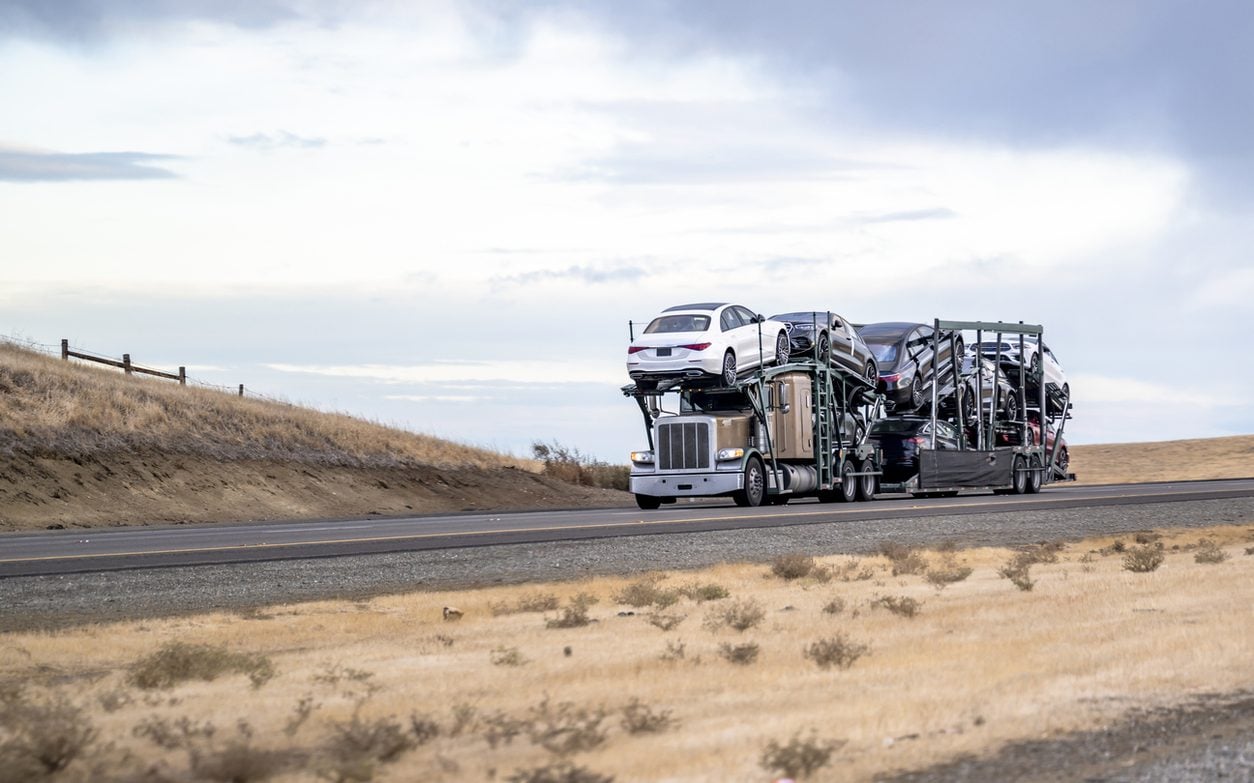
Open transport is the right answer for essentially every Altima. It is what the overwhelming majority of vehicles ship on, including new cars delivered to dealerships. The car is exposed to weather and road grime for a few days and arrives dirty, not damaged.
Enclosed adds roughly 20 to 30 percent and is worth it for fresh paint, a wrap, or a car that has just had bodywork. On an everyday Altima it is money spent on reassurance rather than on risk.
What It Costs
As a mid size sedan the Altima sits at the affordable end. Expect roughly $400 to $900 under 500 miles, $900 to $1,300 at about 1,000 miles, and $1,200 to $1,700 coast to coast on open transport.
Distance is the largest factor but not a straight multiplier, since the rate per mile falls as the distance grows. Route density matters too: a run between two large metros is cheaper and faster to assign than a pickup well off a main corridor. And season moves everything, with the autumn run south and the spring return north tightening capacity in predictable windows.
Preparing It
Wash the car so existing marks are visible, then photograph every panel in daylight including the wheels, the roof and the lower bumpers. Those photographs are what a condition dispute turns on, and they take five minutes.
Leave about a quarter tank of fuel. Empty the cabin and trunk, since loose items are not covered by cargo insurance and they move around in transit. Fold the mirrors, retract the antenna if it retracts, disable any motion sensitive alarm, and remove a toll transponder so it does not register along the way.
Hand over a key, and if someone else is receiving the car, arrange in advance how it reaches them.
At Pickup and Delivery
Walk the car with the driver at collection and get existing damage written on the condition report before it moves. That document is the baseline for any later claim.
At delivery, inspect before signing. Compare against your own photographs, check the lower bumpers and the wheels first because those are what loading damages, and note anything unexpected on the bill of lading while the driver is still there. A clean signed report is your acknowledgement that the car arrived as it left.
Common Questions
Does an Altima need special equipment? No. It is a standard mid size sedan and fits any open or enclosed carrier.
Why is it cheaper than some cars? It takes an ordinary slot, adds little weight and is familiar to every driver, so carriers accept the load readily.
What if it will not start? Declare it. It needs a winch, and the CVT means it should not be rolled or towed any distance on its drive wheels.
Should I pay for enclosed? Only for fresh paint, a wrap or recent bodywork. Open is right for an everyday car.
How long does it take? One to two weeks to book on most lanes, then one to seven days in transit depending on distance.
Get a Quote
Call Ship A Car, Inc. at (866) 821-4555 with both zip codes and whether the car runs, or price the move with the instant calculator.