How to Ship a Mobile Office or Modular Building
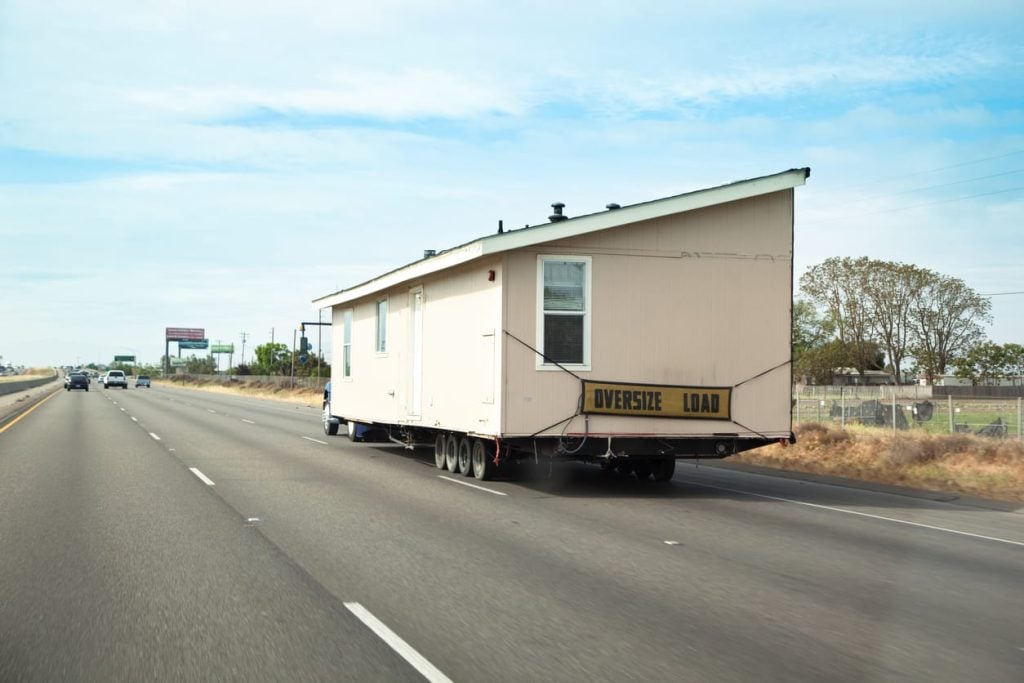
A mobile office is almost always an oversize load, and the number that decides everything is width. Standard legal width is 8 feet 6 inches. Almost no mobile office or modular building unit is that narrow, which means permits, and frequently escorts, from the moment you start planning.
Here is how the job actually works and what determines the cost.
Establish the Three Numbers First
Width, height and weight, measured rather than taken from a sales brochure or a memory of the last one.
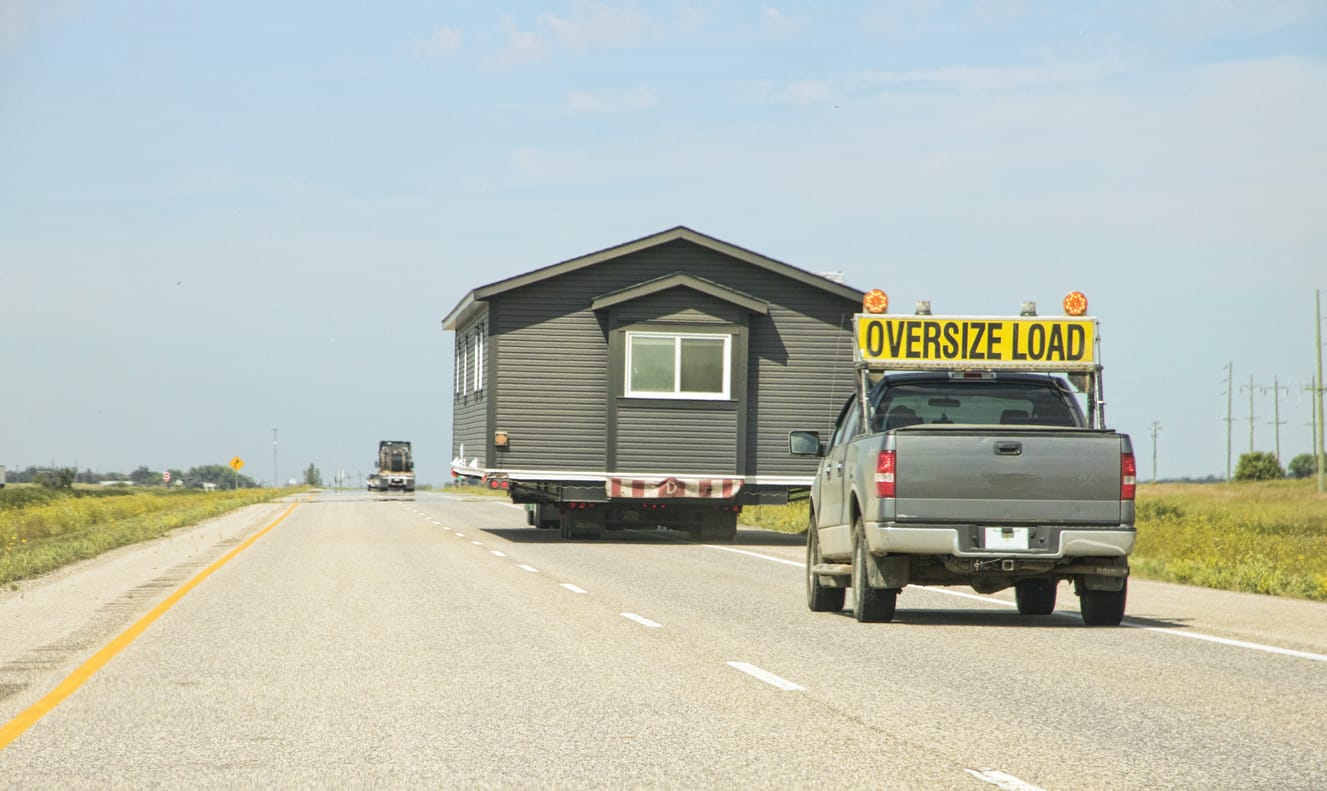
Width is measured at the widest point including any overhang, siding, gutters or fittings. Common unit widths of 10, 12 and 14 feet are all well past the legal limit and all sit in different permit and escort brackets.
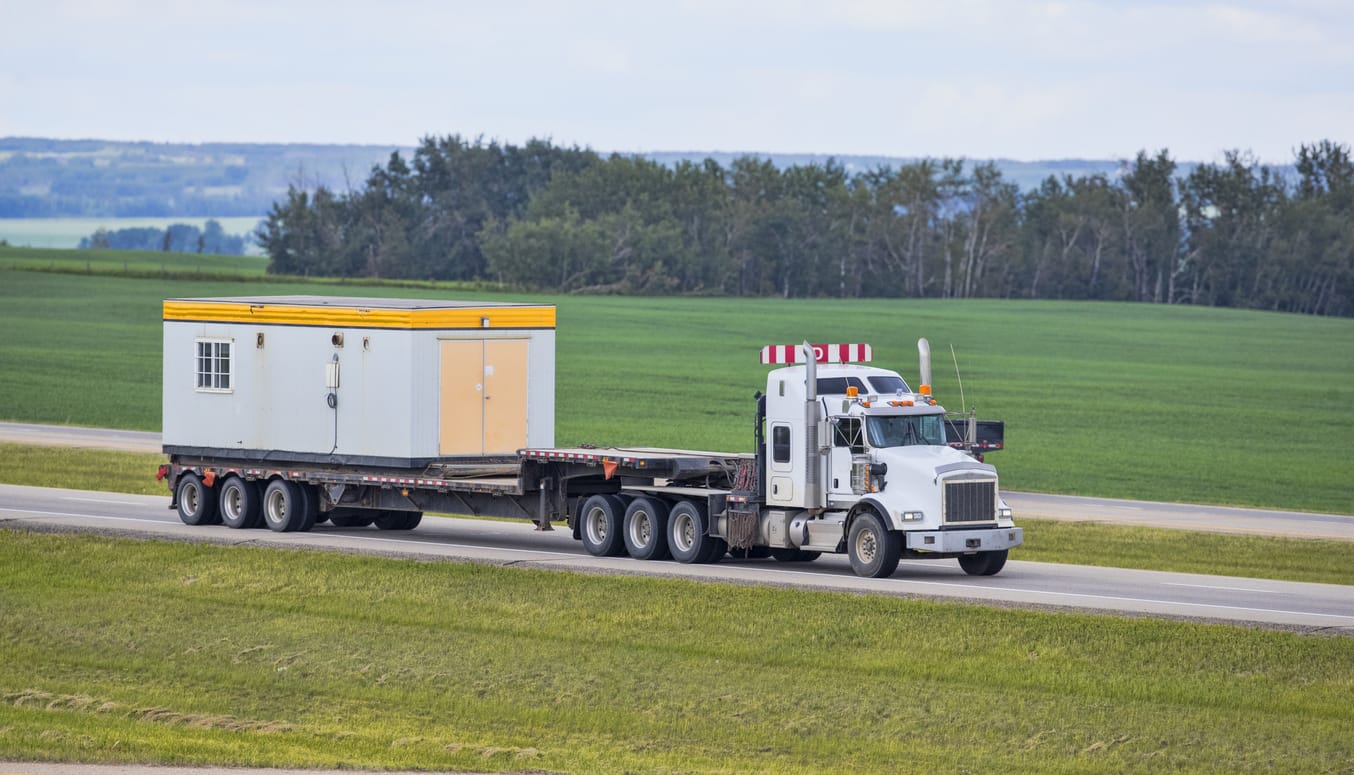
Height includes the trailer. A unit sitting on a transport frame gains several feet before anything is measured, and roof-mounted equipment such as HVAC units frequently pushes an otherwise workable load over.
Weight depends heavily on construction and on what is still inside. Units are often moved with fixtures, and sometimes with furniture and equipment nobody mentioned.
Permits, Escorts and When You Can Move
Past any legal limit the load needs an oversize permit, issued state by state against a specific unit, configuration and route. A multi state move needs one from each, and they do not all work the same way.
Width drives escorts. Thresholds vary by state and by road type, and wider loads move from one escort to two, and eventually to police escort and engineering review of structures on the route.
Permitted movement is generally daylight only on weekdays, with holiday restrictions and, on many routes, restrictions during peak traffic hours. That turns what looks like a two day run into a week, and every overnight stop has to be somewhere a wide load can legally and safely sit.
Route Survey Is Not Optional on the Wide Ones
The route is chosen around the load rather than the other way round. Low bridges, narrow bridges, weight-restricted crossings, overhead cables, tight turns and roadside obstructions all rule out roads that look fine on a map.
On the widest units a physical survey is done in advance, and utilities are sometimes contacted to lift cables. That is a real cost and a real lead time, and it is why these moves are planned in weeks rather than days.
Both Ends Matter as Much as the Middle
This is where jobs go wrong. A unit that can be transported perfectly well may be impossible to place.
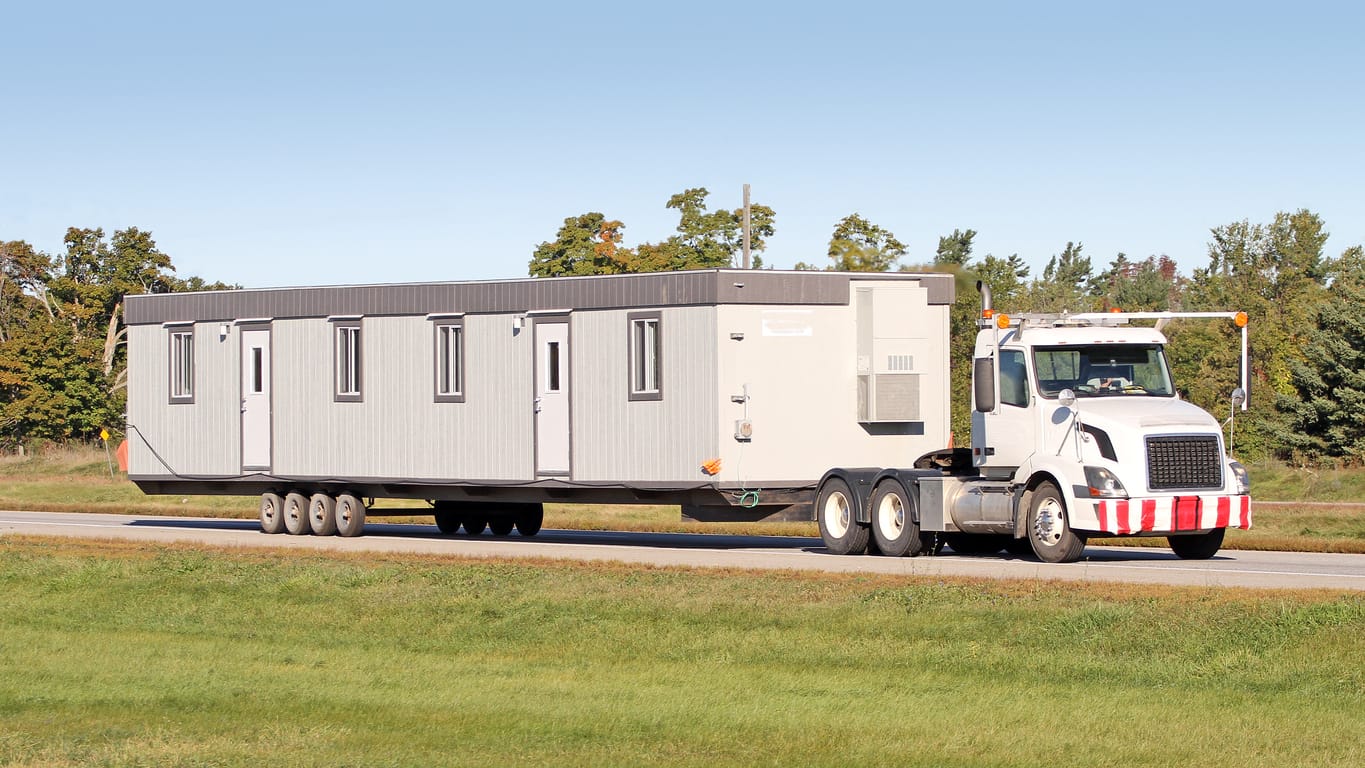
Ground conditions have to take a heavy load on a long trailer without sinking. There has to be room to maneuver a combination that may be seventy to a hundred feet long, and space to swing it into position. Overhead obstructions at the site matter as much as on the road.
Say what the surface is, whether it is level, what the approach looks like and whether anything crosses overhead. If the unit is being set on blocks or a foundation, say who is doing that, because it is usually a separate trade from the transport.
Sectional and Multi-Piece Units
Larger modular buildings arrive as two or more sections, each transported separately and joined on site. That changes the job in ways worth planning for.
Each section is its own permitted load with its own escorts, so the cost is not one move but several. The sections have to arrive in the right order, because the first one placed is usually the hardest to reach afterwards. And the joining work is a separate trade from the transport, which means coordinating two suppliers around the same site window.
Open faces need weather protection between transport and joining. A section arriving with an unfinished side exposed to rain for a week is a problem that shows up months later in the interior.
Preparing the Unit
Empty it of anything loose. Furniture, equipment, files and fittings all move in transit, and anything left inside is uninsured and can damage the interior.
Secure or remove external fittings: steps, skirting, awnings, air conditioning units where removable, and anything that adds width or can be torn off. Close and lock windows and doors, and secure them properly rather than relying on a latch.
Photograph the unit in daylight from every side, including the roof if it can be reached safely, the underside of the frame and the interior. Note existing damage specifically on the bill of lading rather than as general wear, because these units frequently have prior damage and disputes about which trip caused it are common.
The permit thresholds and trailer choices behind all of this are covered in our page on wide and oversize loads.
One final scheduling note. Because permitted loads move in daylight on weekdays only, a move that crosses a public holiday can lose several days to a restriction that has nothing to do with weather or distance. Check the calendar before committing to a site date.
Access at the destination is the single most common reason one of these jobs slips, so it is worth walking the approach yourself before the date is fixed. A gate, a mature tree or a soft verge that a pickup passes without noticing will stop a hundred foot combination.
Common Questions
Is a mobile office always an oversize load? Nearly always. Legal width is 8 feet 6 inches and almost no unit is that narrow.
What drives the cost? Width first, through permits and escorts, then route restrictions and the daylight-only movement they impose.
How far ahead should I plan? Weeks rather than days on anything wide, because permits, escorts and route survey all take lead time.
Can it be delivered to any site? No. Ground conditions, maneuvering room and overhead obstructions at the site decide that.
Can it be moved with contents inside? It should be emptied. Loose contents move, are uninsured and damage the interior.
Get a Quote
Call Ship A Car, Inc. at (866) 452-3657 for specialized transport with the unit’s measured width, height and weight, and both site addresses, or price it with the specialized transport calculator.