East Coast Auto Transport: The I-95 Corridor in Practice
The East Coast is the easiest place in the country to ship a car, and one of the hardest places to deliver one. I-95 runs from Maine to Miami through more major metros than any other route, so carrier supply is excellent and pricing is competitive. What complicates it is everything either side of the highway: streets in Boston, New York and Philadelphia that a 75-foot rig cannot enter, a seasonal tide that swings prices by hundreds of dollars, northeastern winters, and southern hurricane season.
What the Corridor Costs
Because I-95 carries constant traffic in both directions, lanes along it price near the bottom of their distance band and get picked up quickly. These are open-transport ranges for a standard sedan outside peak season.
Tolls along the corridor, particularly through New Jersey, Delaware and Maryland, are already built into a carrier’s rate. A full-size truck or SUV adds meaningfully, a non-running vehicle adds roughly $100 to $250 for winching, and enclosed transport adds 20 to 30 percent.
The Season Runs the Price
Nothing moves East Coast pricing like the seasonal tide. From October through December vehicles pour south as seasonal residents head for Florida, so southbound capacity tightens and prices climb while northbound trucks return with empty slots and quote cheaply. April and May reverse it exactly.
The same route in the same week can therefore differ by several hundred dollars depending only on direction. If your dates flex at all, quoting both a peak week and an off-peak one is the single largest saving available on this corridor. If they do not, book three to four weeks out for a peak-direction move instead of the one to two weeks that suffices otherwise.
Where a Truck Genuinely Cannot Go
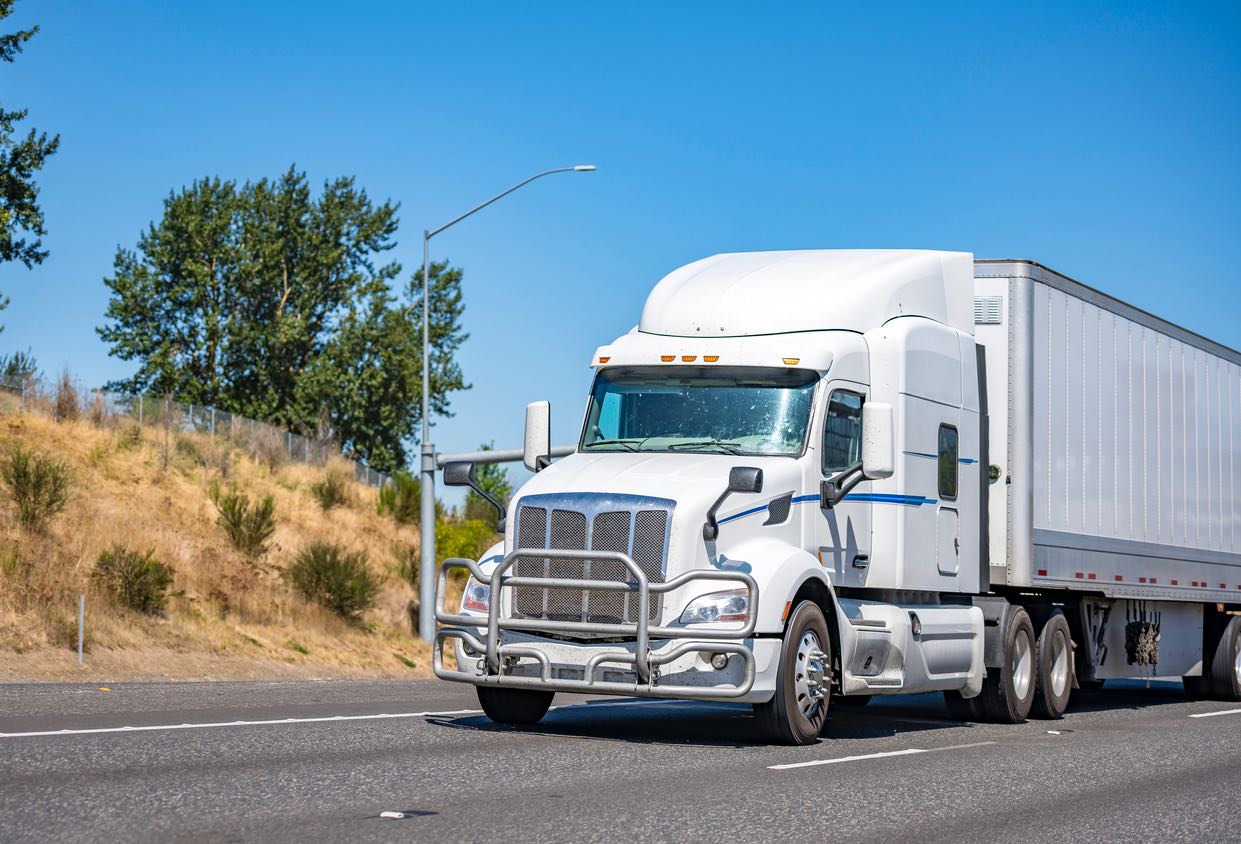
This is the part that surprises people moving into the northeastern metros. A car carrier is roughly 75 feet long and needs space to stop, load and pull away without reversing into traffic. Large parts of the corridor’s cities simply do not offer it.
- Boston and Cambridge have narrow one-way streets, resident permit parking and almost nowhere for a rig to stand.
- Manhattan and much of Brooklyn are effectively off limits; handoffs typically happen in an outer borough or across the river in New Jersey.
- Central Philadelphia and Washington restrict where a commercial vehicle can legally stop, so early-morning windows work far better than midday.
- Gated communities and condo towers along the Florida stretch often bar commercial access or need clearance arranged at the gate in advance.
None of this prevents door-to-door service; it just means the door is sometimes a few minutes away. Say what kind of address you have when you book and the meeting point gets planned rather than improvised on the day.
Traffic Is Part of the Transit Estimate
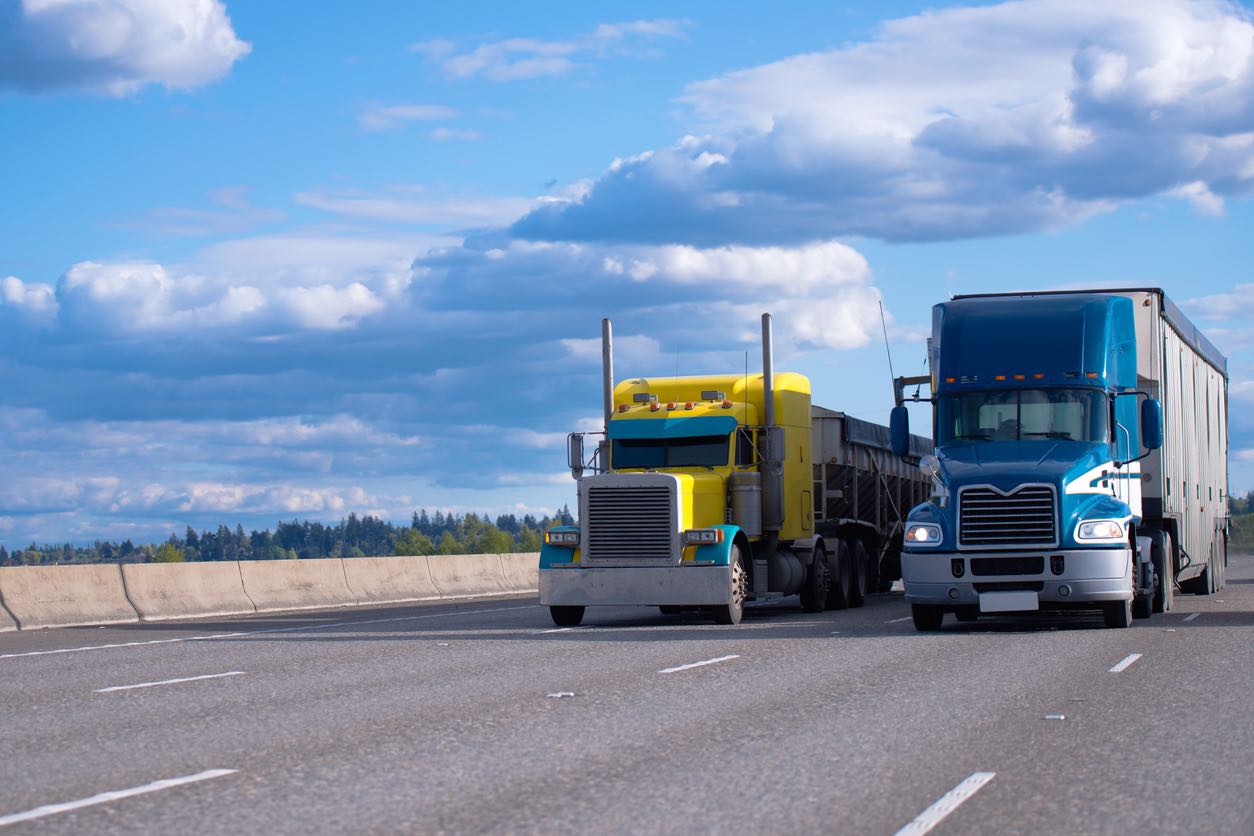
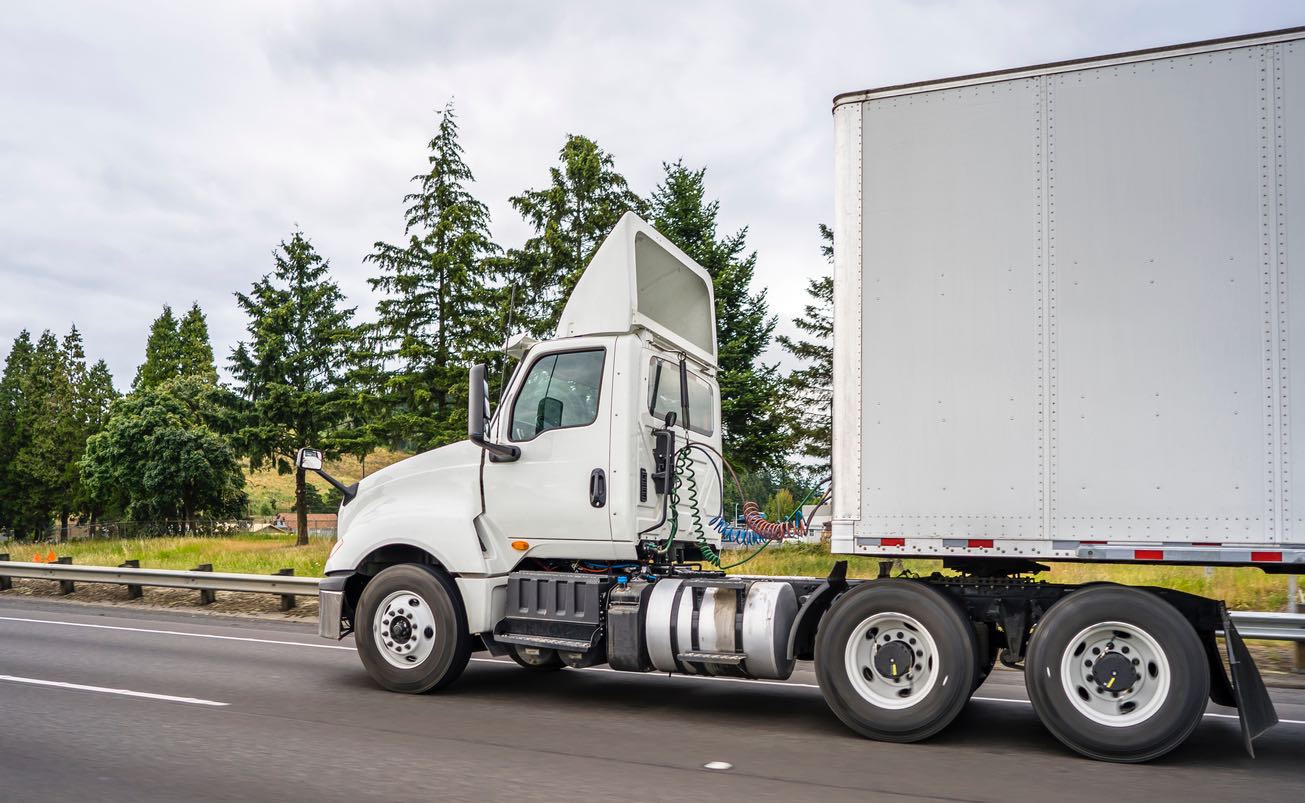
I-95 is not a fast road for a loaded car carrier. The stretch through northern New Jersey, the approach to and through Washington and Baltimore, and the Connecticut corridor into New York are among the most congested truck routes in the country, and a rig at 80,000 pounds cannot make up lost time.
Federal hours-of-service rules cap how long a driver can be behind the wheel, so hours lost sitting in traffic come straight out of the day’s distance. That is why a 1,200 mile run down this corridor can take the same time as a 1,600 mile run through open country, and why quoted windows here are ranges rather than promises.
The Ports Along the Corridor
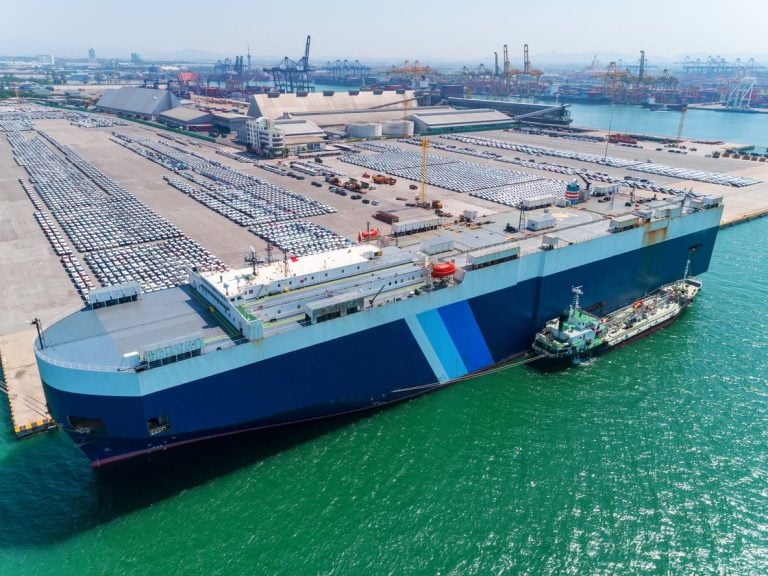
If the vehicle is leaving the country, the East Coast is well served: Newark, Baltimore, Charleston, Savannah and Jacksonville all handle vehicle exports, and Baltimore in particular is a major gateway for cars and machinery.
An international move is a different process from a domestic one. The car travels by road to the port, then by vessel, and the schedule is set by customs paperwork and sailing dates rather than driving time. Start the documentation before booking the road leg, because that is the part that cannot be compressed at the end.
Winter in the Northeast
From December through March, storms close or slow the corridor north of Washington, and pickup windows stretch. Snow-narrowed streets make an already tight urban pickup harder, and street parking bans during snow emergencies can remove the meeting point entirely.
Two practical consequences. Build a buffer day into any northeastern winter move and stay reachable, because a driver may need to propose an alternative at short notice. And if the vehicle matters to you, road salt is a real argument for enclosed transport on this corridor specifically.

Hurricane Season in the South
From June through November the southern half of the corridor carries its own risk. A named storm can close I-95, suspend loading and drain regional carrier capacity for several days, and rates spike immediately before a forecast landfall as residents move vehicles out.
If you are shipping into or out of Florida, the Carolinas or coastal Georgia in that window, add a few days of slack and accept an earlier pickup if one is offered ahead of weather. Holding a fixed date through an approaching storm is how people end up without a car.
Preparing the Vehicle
Nothing unusual is required here, and the pre-pickup checklist covers the detail. On this corridor the transponder is the item to be strict about, because I-95 is dense with tolling from New Jersey through Maryland and a transponder in the windshield will collect every one of them.
At delivery, inspect before signing. Compare the vehicle against the pickup condition report and your own photographs, check the roof and lower panels, start the engine, and note any exception on the bill of lading while the driver is present.
Common Questions
When is the cheapest time to ship south? Late spring through summer. October through December is the most expensive southbound window; April and May are the most expensive northbound.
Can a carrier reach my address in Boston or New York? Usually not the address itself. Expect a meeting point within a short drive, which is standard practice in both cities.
How far ahead should I book? One to two weeks most of the year, three to four in the peak seasonal direction, in northeastern winter, or during hurricane season.
Is enclosed transport worth it here? For a classic, exotic or low-clearance vehicle, yes. Winter road salt north of Washington is a genuine second reason on this corridor.
Do tolls get added to my bill? No. Carriers price tolls into the rate, so a quote covering this corridor already includes them.
Get a Quote
Call Ship A Car, Inc. at (866) 821-4555 with your dates and the type of address at each end, or price the move with the instant calculator.