Enclosed Car Shipping for Luxury Vehicles: Is the Premium Worth It?
The decision, not the sales pitch: enclosed transport costs roughly 20 to 30 percent more than open. It is clearly worth it for some cars and clearly unnecessary for others, and the dividing line is not price, it is what a stone chip would cost you. If correcting a chip or a scuffed splitter would cost more than the premium, enclosed pays for itself the first time it prevents one. If it would not, you are buying reassurance.
When Enclosed Is Clearly the Right Call
- Collector and limited-production cars where paint is original or period-correct and cannot simply be resprayed without affecting value.
- Low front clearance. Splitters, air dams, and short approach angles are damaged during ramp loading, not on the highway. Enclosed carriers commonly have hydraulic liftgates.
- Cars worth more than the standard cargo insurance limit, where the shipment needs a carrier holding higher coverage anyway.
- Freshly restored or freshly painted vehicles, where the finish has not fully cured or hardened.
- Deliveries to a buyer who has not seen the car, where arriving pristine is part of the transaction.
When Open Transport Is Perfectly Adequate
A late-model luxury sedan or SUV that is driven daily, parked outside, and insured conventionally does not need enclosed transport. Every new Mercedes, BMW and Lexus reaches its dealership on an open carrier. Your car is exposed to weather in transit exactly as it would be sitting in a driveway.

Spending the premium on a vehicle that will live outdoors at the destination is spending it for the duration of the trip only.
Open vs Enclosed at a Glance
What “Enclosed” Does Not Automatically Include
This is where owners get caught. Enclosed describes the trailer walls, nothing else. It does not guarantee:
- A liftgate. Many enclosed trailers load by ramp. If your car is low, ask specifically.
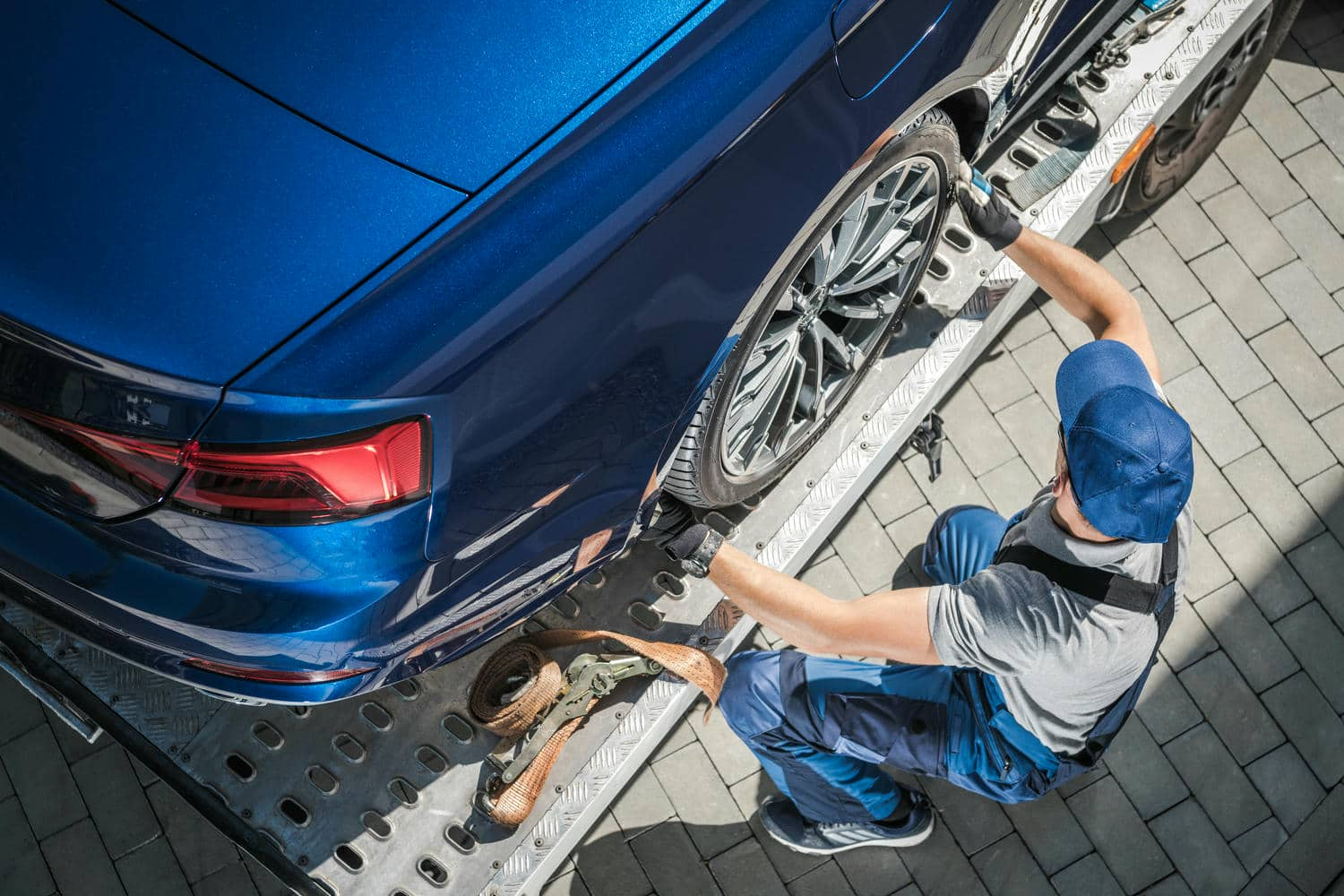
- Soft wheel straps. Confirm the car will be secured at the wheels rather than chained at the frame or suspension.
- Climate control. Enclosed trailers are not refrigerated or heated. They keep weather and debris off; they do not regulate temperature.
- Single-vehicle transport. Most enclosed trailers carry several cars. A dedicated run costs considerably more.
- Higher insurance. Coverage is a property of the carrier’s policy, not the trailer type. Ask for the limit in writing.
The Insurance Question Comes First
Carrier cargo insurance is included in your transport price and is usually generous for an ordinary vehicle. For a six-figure car it is frequently insufficient. Ask for the certificate, read the actual limit, and compare it against real market value, which for a limited-allocation model may exceed original MSRP.
If there is a gap, you have three options: select a carrier holding higher limits, arrange supplemental transit coverage, or confirm whether your own agreed-value collector policy extends to transport under a third-party carrier. Many do; not all. Settle this before booking, not at delivery.
Booking Around the Collector Calendar
Enclosed capacity is finite and demand is seasonal in a way open transport is not. Major auctions and concours weekends pull enclosed trailers toward those events, and the surrounding weeks are the hardest time to book. Seasonal storage movements create a second squeeze in late fall and early spring as collections move between climates.
If your delivery is tied to a specific date, book as early as you can rather than as late as you can get away with.
Preparing a Luxury Vehicle
- Wash it, so the condition photographs show paint rather than road film.
- Photograph every panel, wheels, lower valances, roof, interior and odometer in daylight.
- Leave about a quarter tank, or 30 to 50 percent charge for an EV.
- Remove personal items and toll transponders.
- Note ride-height settings, alarm quirks, kill switches, and any non-obvious starting procedure for the driver.
- Keep a spare key rather than sending your only one.
Common Questions
Does enclosed guarantee no damage? No. It removes weather and road debris exposure and usually improves loading. Most transit damage to high-value cars happens during loading, which is why liftgate and tie-down method matter as much as the walls.
How much more is it, in dollars? On a coast-to-coast move where open runs $2,200 to $2,800, enclosed typically lands several hundred dollars above that range, and a dedicated single-vehicle trailer considerably more.
Can I ship a non-running classic enclosed? Yes, on a winch or liftgate-equipped carrier, typically adding $100 to $250. Say whether it rolls, steers and brakes, because that determines the loading method.
Is enclosed available everywhere? On main corridors, readily. For rural pickups it can take longer to source, which is another reason to book early.
Get a Quote
Call Ship A Car, Inc. at (866) 821-4555 to arrange enclosed transport, or start with the instant calculator.