Greenlane’s Electric Charging Network
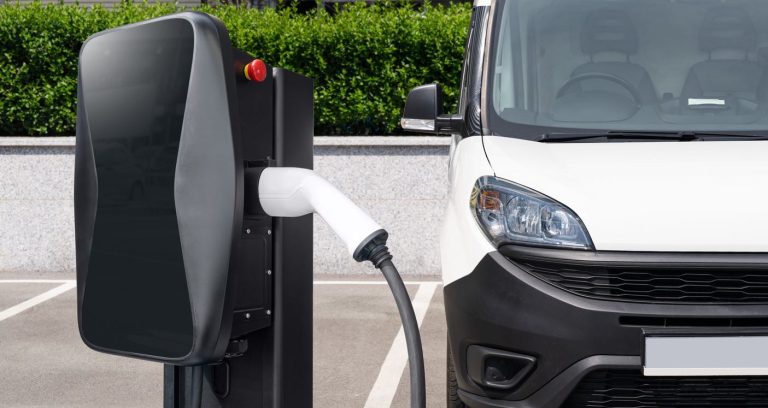
Greenlane’s plan for a nationwide charging and hydrogen network for heavy trucks: the corridors, the spacing, and what electrified freight means.
Select category
Greenlane’s plan for a nationwide charging and hydrogen network for heavy trucks: the corridors, the spacing, and what electrified freight means.

This article looks at Tesla’s historic recall, which affected more than 2 million cars in the US and was brought on by safety concerns with the Autopilot. It looks at the scope of the recall, the critical role played by the NHTSA, Tesla’s calculated reaction, the potential legal repercussions, and the inherent difficulties with Autopilot technology.

This blog article looks at the recent changes in the US freight sector, emphasizing the rise of West Coast ports and Atlanta’s falling market share. It explores the environmental, geopolitical, and economic forces behind these shifts and talks about how they will affect companies and the freight sector going forward.

The Federal Motor Carrier Safety Administration has decided to remove 10 Electronic Logging Devices due to non-compliance, and this blog post explores their reasoning. It addresses the consequences for carriers and drivers, the possibility of device reinstatement, critiques the ELD self-certification procedure, and emphasizes Ship A Car, Inc.’s dedication to industry leadership and compliance with regulations.

This blog post explores the ‘freight recession’ harming the transportation sector in the United States, looking at its causes, the pandemic’s effects, and case studies of significant players. It provides insights into resilience tactics, stressing the value of human interaction, adaptability, and partnerships in navigating these trying times.

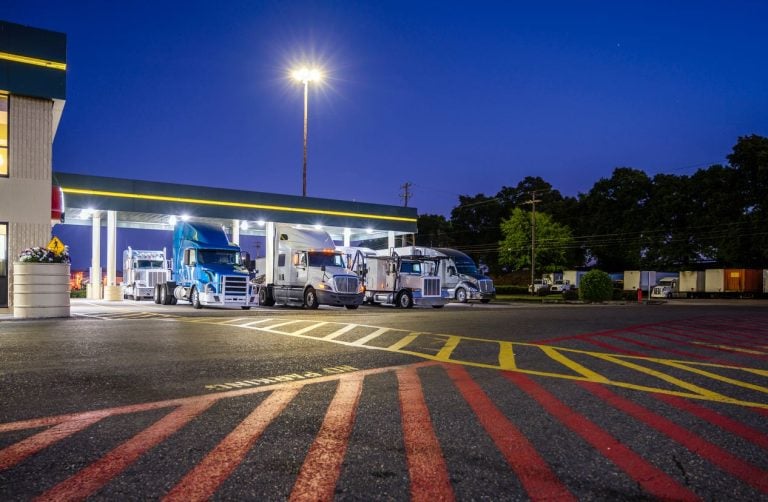
Underneath the corporate dispute sits something that affects freight: the largest truck stop network in North America changed hands.

The ambitious ambition that Washington State has to electrify its transportation sector is confronted with substantial hurdles, particularly in the trucking business. Inadequacies in the infrastructure, constraints imposed by technology, and worries over the economy all cause uncertainty regarding the practicability of this transformation.


Volvo revised its 2030 all-electric pledge, renamed the range and saw the EX90 slip. What actually happened, and what it means if you own one.

Wyoming closes I-80 to light and high profile vehicles more than any other state, and the reason is wind rather than snow.

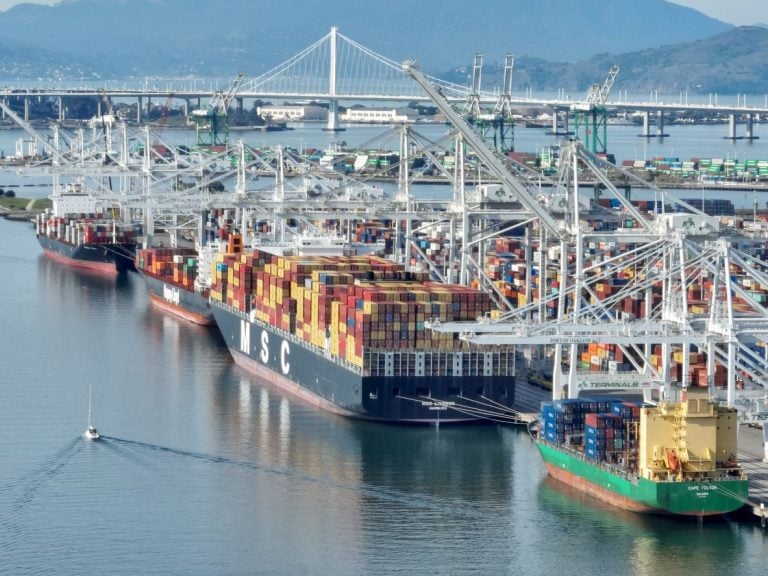
This blog article explores the $653 million government financing program that aims to transform port infrastructure in the United States. It discusses the allocation of funds, insights into the needs for port infrastructure, significant project features, obstacles and objectives, and the importance of these investments in upgrading the country’s ports.

The extensive fleet liquidation of Yellow Corp, its consequences for the trucking sector in the United States, the strategic importance of auctioneers, and the company’s terminal futures are all covered in detail in this blog post.

Rivian’s decision to end its exclusive deal with Amazon marks a major shift in the electric vehicle landscape. This move opens the door for other companies to access Rivian’s innovative electric vans, catalyzing competition and innovation in sustainable transportation. With Amazon’s deployment of over 10,000 Rivian vans, this development underscores both companies’ commitment to environmental sustainability and reflects Rivian’s vision for a more accessible electric vehicle future.

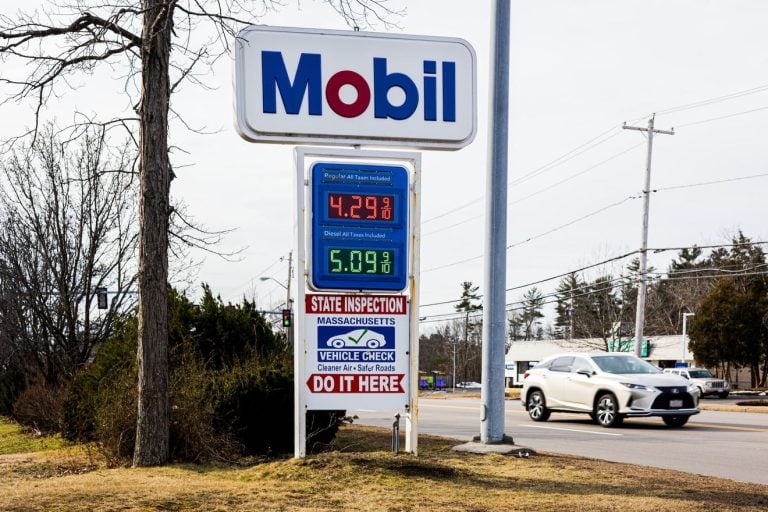
Diesel is the second largest cost in moving a vehicle, and what a carrier pays for it is regional. Why quotes differ by route, not just mileage.

In Q3 2023, Daimler Truck faced significant challenges with supply constraints impacting their earnings. Despite these hurdles, the company showed resilience, particularly in North America. This analysis delves into DTNA’s sales performance, the global sales dynamics, and the company’s strategic responses to operational challenges. Looking ahead, Daimler Truck anticipates a normalized market in 2024, maintaining an optimistic outlook for the future.

In this detailed analysis, we delve into the reasons behind the unexpected resilience of dry van truckload capacity in the current US trucking bear market. We examine the impact of high freight rates, service diversification, the role of new entrants, and market forecasts.