Shipping a Motorcycle: Open or Enclosed?
The short answer: for most bikes, either works, and enclosed is the better default for anything valuable. Motorcycles ship differently from cars, either crated and strapped to a pallet, or secured upright with soft straps and a wheel chock in a dedicated space. Regional moves typically run $180 to $300 and cross-country $400 to $800, with enclosed at the upper end of those ranges.
Motorcycle Transport: Open vs Enclosed
Why Motorcycles Are Actually Well Protected
Counterintuitively, a motorcycle is often handled more carefully than a car, because it cannot be driven onto a trailer and secured with wheel straps in seconds. It has to be walked on, chocked, and strapped upright, which means a person is working with the bike directly rather than parking it. On enclosed carriers, bikes are frequently crated or palletized, which isolates them from everything else on the load.
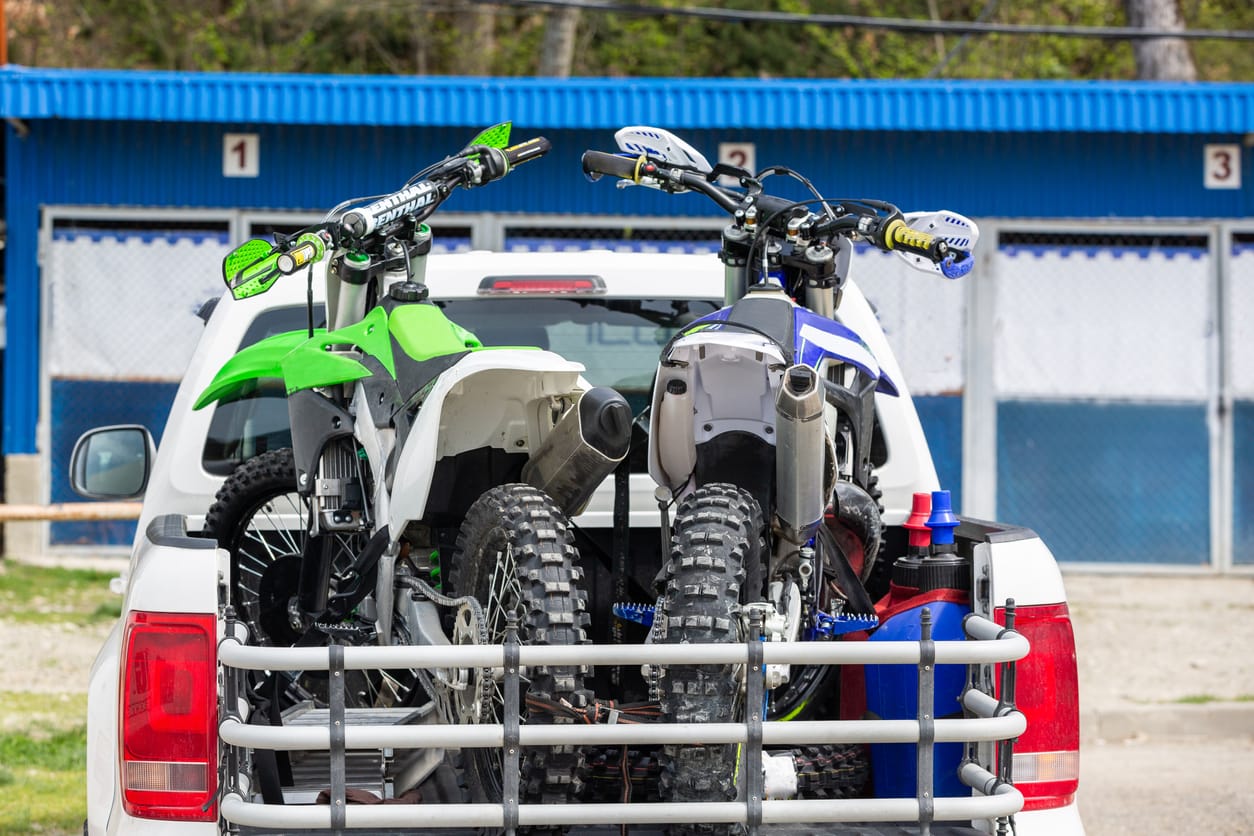
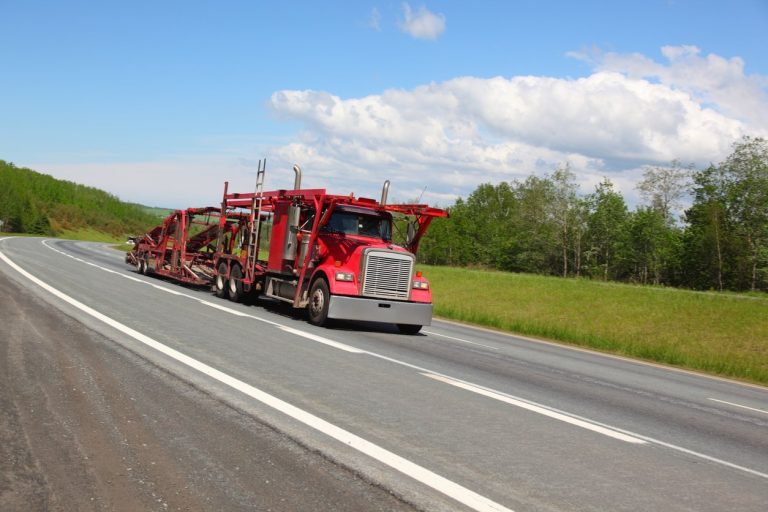
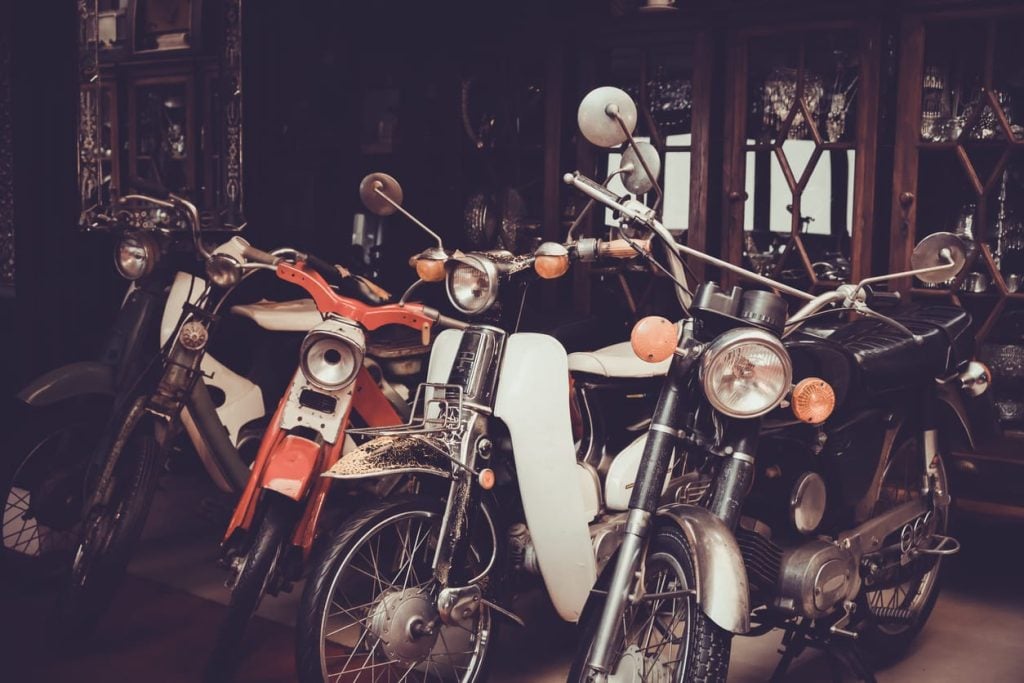
The risk on an open carrier is not falling over, it is exposure: road grime, stone chips, and weather across the full distance. On a commuter bike that is acceptable. On a chromed cruiser or a vintage restoration it is not.
Preparing the Bike
- Wash it and photograph it thoroughly. Chrome and paint show every mark, and your photos are the baseline.
- Fuel low, not empty. A small amount so it can be moved; a full tank is unnecessary weight and adds risk.
- Disable the alarm and tell the driver about any kill switch or immobilizer.
- Remove or secure loose items: saddlebags, windscreens, mirrors, sissy bars, and anything aftermarket that protrudes.
- Fold in mirrors and note any custom bar height, which affects how the bike fits in a crate or trailer.
- Check tire pressure so it rolls properly during loading.
Non-Running and Project Bikes
A bike that does not run can still ship, and it is common. Say so upfront: it needs to be pushed or winched rather than ridden on, which changes the handling and typically the price. Note whether the wheels turn and the brakes work, because a seized bike is a different job again.
Trikes, Sidecars and Custom Builds
Anything unusually wide, long, or tall needs to be described accurately. Trikes and sidecar outfits do not fit standard motorcycle crates and require different equipment. Extended forks, apehanger bars, and oversized fairings all affect dimensions. Give measurements rather than a model name.
Common Questions
Is my motorcycle insured in transit? Yes, under the carrier’s cargo policy, included in the price. Ask for the limit and compare it against the bike’s value, particularly for a custom or vintage machine where market value may exceed any book figure.
Can a motorcycle ship on the same load as cars? Frequently yes, on carriers equipped for it. It does not compromise the bike, provided it is properly chocked and strapped.
How far ahead should I book? One to three weeks on main corridors. Enclosed motorcycle capacity is thinner, so allow longer, especially around rally season when large numbers of bikes move at once.
Should I ship my helmet and gear with it? No. Personal items are not covered by cargo insurance and federal rules restrict cargo inside shipped vehicles.
Does the bike need a title to ship? Not for domestic transport. Photo ID at both ends is sufficient.
Crated vs Strapped: How Bikes Actually Travel
Two methods dominate. In the first, the motorcycle is secured to a pallet or in a crate, which is then loaded as a unit; this isolates the bike completely and is common on enclosed carriers and for long-distance moves. In the second, the bike is walked onto the trailer, front wheel set into a chock, and secured upright with soft straps at the frame or handlebars.
Both are safe when done properly. Ask which will be used, because it affects preparation: a crated bike can have mirrors and screens removed and packed alongside, while a strapped bike needs those items secured or removed beforehand.
Rally Season and Capacity
Motorcycle transport demand is far more seasonal than car transport. Large rallies pull enormous numbers of bikes toward one place in the same fortnight, and enclosed motorcycle capacity around those dates disappears quickly. Spring is the other squeeze, as bikes come out of winter storage across the northern states at once.
If your move coincides with either, book several weeks out. If your dates are flexible, shipping outside those windows is noticeably cheaper.
Multiple Bikes
Shipping two or three motorcycles together is substantially cheaper per bike than separate arrangements, because the carrier is handling one pickup and one delivery. If you are moving a collection, or several riders are relocating together, consolidate. Give the coordinator the full list with dimensions rather than pricing each bike individually.
Get a Quote
Call Ship A Car, Inc. at (866) 821-4555 to arrange motorcycle transport, or price it with the instant calculator.