Driveaway Services Explained
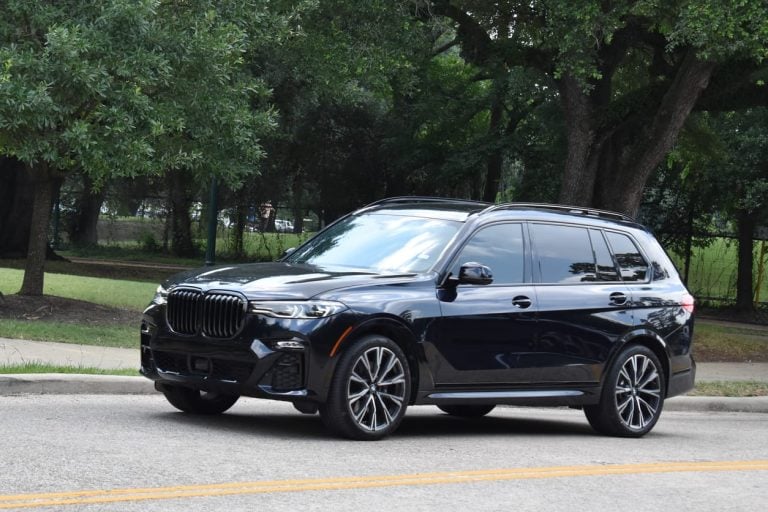
Driveaway means a hired driver operates your vehicle to the destination on its own wheels, and the trade is simple: you save money and equipment constraints, and you pay for it in miles on the odometer. A thousand mile move adds a thousand miles to the car, plus the wear that comes with them. Whether that is a good deal depends almost entirely on what the vehicle is and why it is moving.

When Driveaway Is the Right Choice
Three situations, and in all of them it beats hauling comfortably.
Oversized or specialty vehicles that will not fit a standard carrier: motorhomes, box trucks, buses, tow trucks and commercial equipment that is road legal. Hauling these means a permitted load; driving them means a driver and a license.
Fleet and dealer movements, where several vehicles need repositioning and the mileage is expected anyway. A rental fleet rebalancing between cities is a driveaway job, not a hauling one.
And short to medium distances where the mileage added is small relative to the saving. Under a few hundred miles the arithmetic usually favors driving.
When It Is the Wrong Choice
Equally clear, and worth being honest about.
Anything where mileage affects value: a classic, a collector car, a low mileage example, a lease with a mileage cap. Adding 2,000 miles to a car whose value depends on the odometer is an expensive way to save a few hundred dollars.
Anything that is not fully roadworthy, since a driveaway vehicle has to be registered, insured and safe to operate for the whole distance. A car that runs but has a known fault is a bad candidate.
And anything valuable enough that road exposure matters. A driveaway car is exposed to weather, road debris, other traffic and the ordinary risks of a long drive, which is exactly what an enclosed trailer exists to avoid.

How It Compares on Cost
Driveaway is usually cheaper than hauling on the same route, but the gap is smaller than it looks once everything is counted.
The quote covers the driver’s time, their travel to reach your vehicle and home again afterward, and typically fuel, tolls and any overnight stops. Those return legs are a real part of the price and they are why a very short driveaway is not always the bargain it seems.
Against that, set what the mileage costs you. On an ordinary car with high mileage already, close to nothing. On a three year old vehicle you plan to sell, several hundred dollars of depreciation on a long move. Do that comparison specifically rather than assuming cheaper is cheaper.
Insurance Is the Question to Ask First
This is where driveaway differs most from hauling and where people are least careful.
On a hauled move, the carrier’s cargo policy covers the vehicle as freight. On a driveaway, your vehicle is being driven on the road, so what applies is a combination of the driveaway company’s coverage and, potentially, your own policy.
Ask three things in writing: what coverage the company carries for a vehicle in a driver’s custody, what the limit is, and whether your own policy needs to remain in force during the move. Confirm the answer before the driver arrives, not after.
Also confirm the driver is licensed for the class of vehicle. A motorhome, a bus or a commercial truck may require a license class an ordinary driver does not hold.
Preparing the Vehicle
The vehicle has to be genuinely ready to drive several hundred or several thousand miles.
Service it if it is due, check the tires including the spare, check fluids, brakes and lights, and make sure registration and insurance documents are current and in the vehicle. Anything that would worry you on a long trip should be fixed before somebody else drives it.
Then document the condition and the odometer. Photograph every panel in daylight and photograph the odometer reading, and get that reading recorded on the paperwork at both ends. On a driveaway the mileage is part of what you are buying, so it belongs on the record.
Remove personal belongings, since they are not covered, and leave a full tank so the first leg is not spent finding fuel.
Common Questions
What is driveaway? A hired driver operates your vehicle to the destination on its own wheels rather than it being hauled on a trailer.
Is it cheaper than hauling? Usually, but count the mileage and depreciation you are adding before deciding it is the better deal.
What vehicles suit it? Oversized or road legal specialty vehicles, fleet repositioning, and shorter moves where added mileage matters little.
Who insures the vehicle? Ask for the company’s coverage and limit in writing, and confirm whether your own policy must stay in force.
Should I record the odometer? Yes, photographed and recorded on the paperwork at both ends. It is part of what you are paying for.
Get a Quote
Call Ship A Car, Inc. at (866) 821-4555 with the vehicle type and both addresses, or price a hauled move with the instant calculator.