Select the Right Car Shipping Services: A Comparison Guide
In today’s fast-paced world, shipping your vehicle isn’t merely a convenience-it’s an essential service for individuals and businesses alike. Whether you are relocating, buying a car from a distant seller, or transporting a classic vehicle for a showcase, understanding your car shipping options can save time, lower expenses, and provide peace of mind. Options include open transport, enclosed transport, door-to-door services, terminal-to-terminal shipments, and expedited shipping. Each comes with distinct benefits and drawbacks, and choosing the right service depends on your budget, your vehicle’s type and condition, and your tolerance for exposure during transit.
This article evaluates the main car shipping methods and examines factors affecting costs, vehicle considerations, and geographic aspects that impact shipping decisions. We also compare leading providers-such as Ship A Car, uShip, and Montway-to help you navigate the complex world of auto transport while ensuring your vehicle receives proper care and protection per Federal Motor Carrier Safety Administration guidelines. Whether you need affordable personal service or are managing a fleet, this guide helps you understand, compare, and select the best shipping method.
By breaking down various shipping techniques, provider comparisons, and preparation tips, this article empowers you to make informed decisions, optimize costs, and ensure reliable and secure auto transport. Continue reading for all your options and car shipping services compared.
Key Takeaways
- Car shipping services include open, enclosed, door-to-door, terminal-to-terminal, and expedited shipping; each suits different needs.
- Vehicle type, condition, and geographic factors affect both shipping methods and cost structures.
- Providers like Ship A Car are compared with competitors such as uShip and Montway based on customer service, pricing transparency, and overall reliability.
- Proper preparation and understanding of auto transport methods can reduce shipping expenses and protect your vehicle.

What Are the Main Car Shipping Methods and How Do They Compare?
Car shipping methods vary by protection level, cost, and convenience. The primary methods are:
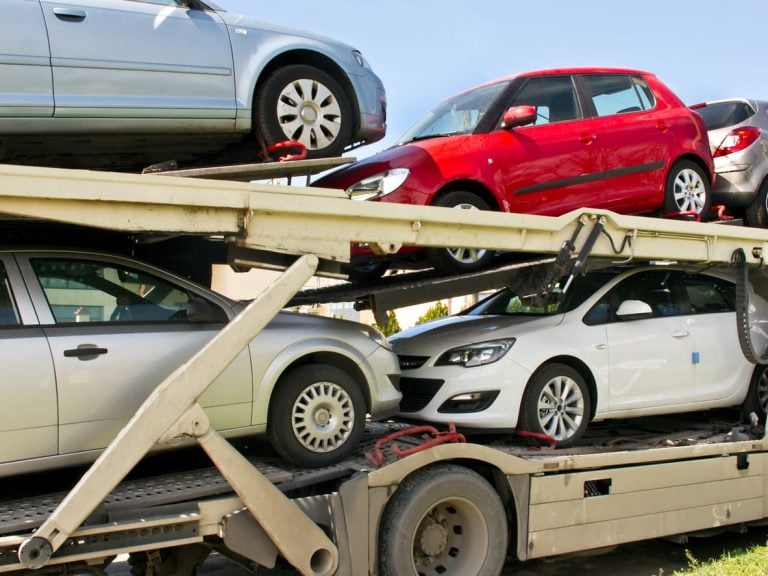
• Open Transport: Cost-effective and widely available, though vehicles are exposed to weather and road debris. Ideal when some risk is acceptable.
• Enclosed Transport: Provides maximum protection for high-value, vintage, or luxury cars by shielding against weather and debris, though at a higher cost.
• Door-to-Door Shipping: Offers personalized pickup and delivery directly at specified addresses, increasing convenience and reducing logistical challenges.
• Terminal-to-Terminal Shipping: Involves dropping off and picking up the vehicle at designated terminals; typically less expensive than door-to-door but may require additional coordination.
• Expedited Shipping: Utilizes dedicated carriers and faster routes to reduce transit time, incurring a premium when time is critical.
Each method has advantages and limitations based on priorities like cost control, vehicle safety, and scheduling constraints. Comparing service features through real-world performance metrics such as customer satisfaction and reliability is essential.
What Is Open Transport and When Is It the Best Choice?
Open transport involves moving vehicles on open-air carriers. It is best when budget and availability are prioritized over absolute protection from environmental exposure. Typically, standard vehicles share a carrier, reducing costs. While exposure to weather and debris may occur, improved securing methods and driver training minimize damage. Open transport represents about 90% of domestic shipments and is ideal for everyday vehicles-provided adequate liability insurance is arranged.
How Does Enclosed Transport Protect Your Vehicle?
Enclosed transport ships vehicles in a fully covered trailer, shielding them from weather, debris, and vandalism. It is designed for expensive, vintage, or customized cars, preserving aesthetics and resale value. Although more expensive, enclosed shipping provides advanced protection and often includes comprehensive insurance and real-time tracking, making it the preferred method when vehicle preservation is paramount.
What Are the Benefits of Door-to-Door Shipping Services?
Door-to-door shipping picks up and delivers vehicles directly to specified addresses. This service eliminates the need for terminal visits, reducing extra travel time and logistical coordination. It is especially beneficial for individuals, families, and businesses seeking a hassle-free experience. Enhanced by personalized support, transparent documentation, and real-time tracking, door-to-door shipping offers convenience and reliability-ideal for those who value efficiency.
How Does Terminal-to-Terminal Shipping Work and Who Should Use It?
Terminal-to-terminal shipping involves dropping off and picking up vehicles at established depots. This method simplifies logistics by eliminating door-to-door coordination and usually reduces costs. Although less convenient, it is well-suited for budget-conscious shippers and high-volume shipments, such as fleet transfers, especially when terminals are easily accessible.
When Is Expedited Shipping Necessary and What Are Its Costs?
Expedited shipping is used when time is critical, leveraging dedicated carriers and prioritized scheduling to reduce transit times. This service is ideal for tight moving schedules, emergency deployments, or last-minute purchases. Although it can cost 25% to 50% more than standard shipping, the rapid transit minimizes downtime and the risk of delays, making the extra expense worthwhile in time-sensitive situations.

How Do Vehicle Types Affect Car Shipping Options and Costs?
Vehicle type, size, and condition are key factors in choosing a shipping method:
• Standard Cars: Compact or regular vehicles are often shipped economically on multi-vehicle carriers.
• Luxury or Vintage Cars: These vehicles usually require enclosed transport for optimal protection, impacting cost.
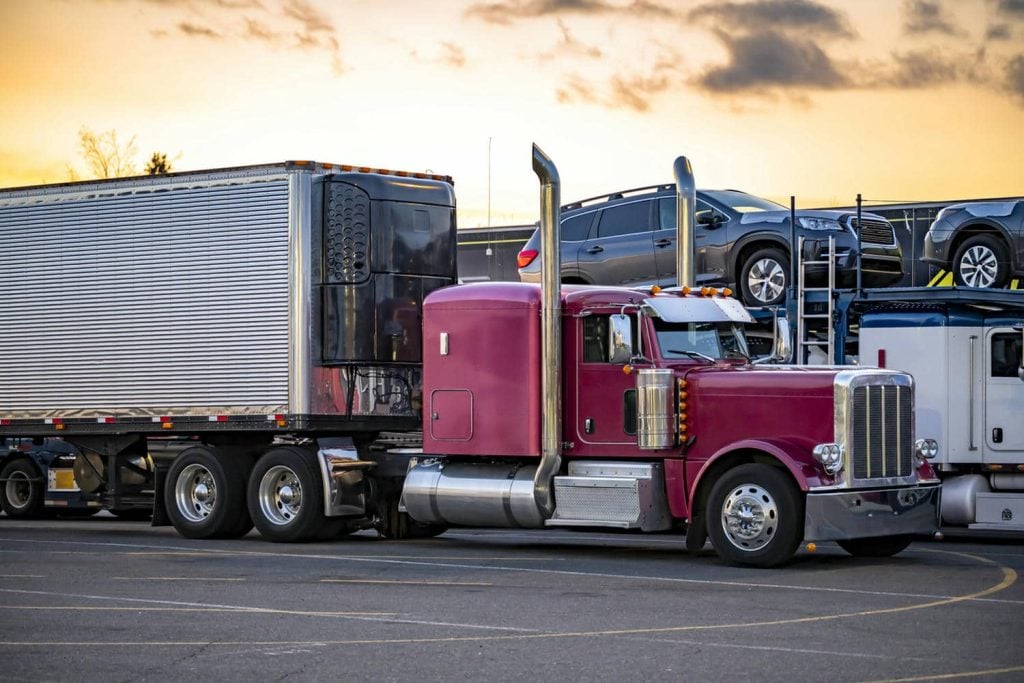
• Large Vehicles (Trucks/SUVs): Require specialized carriers with adjustable tie-down systems due to their size and weight, which can increase logistics and fuel expenses.
• Non-Operational Vehicles: May need special equipment, like winches or flatbeds, thereby increasing costs.
Shipping companies evaluate vehicle attributes along with federal regulations, insurance requirements, and liability issues to determine the best and most cost-effective shipping solution.
What Should You Know About Shipping Cars vs. Trucks or SUVs?
Different vehicle classes require unique shipping solutions. While compact cars can be economically shipped on multi-vehicle trailers, trucks and SUVs often need larger carriers with specialized tie-down systems due to their weight and dimensions. This differentiation affects pricing, insurance premiums, and handling methods, making it essential to assess your vehicle’s specific requirements during the quoting process.
Are There Special Considerations for Shipping Motorcycles?
Motorcycles require specialized equipment and methods due to their smaller size and less robust frames. They are typically loaded onto dedicated trailers or precision-packed crates with tailored tie-down systems and padding. Although generally less expensive than car shipping, the need for added protection and careful handling can increase costs. Detailed documentation and measurements are important for accurate quotes and secure transport. Click here to learn more about motorcycle shipping.
How Does Vehicle Size and Condition Impact Shipping Choices?
Larger or damaged vehicles require more specialized handling. A vehicle in mint condition may use standard shipping options, while one that is non-operational or cosmetically damaged might require extra stabilization or specialized carriers, which drives up costs. Comprehensive pre-shipment evaluation and clear communication with the shipping provider ensure that the selected method aligns with the vehicle’s needs and secures adequate insurance coverage.
What Factors Influence Car Shipping Costs and How Can You Save?
Car shipping costs are determined by factors including shipment distance, transport method, vehicle type, seasonal demand, and fuel prices. Savings can be achieved by comparing quotes, using cost calculators, and booking during off-peak times. Efficient planning and flexibility can lower expenses while maintaining reliable service.
The car shipping cost calculator factors in variables like distance, vehicle weight, and additional fees (e.g., expedited or terminal-to-terminal services). Seasonal fluctuations, such as higher rates during peak summer months, also affect pricing. Other cost determinants include insurance coverage, regulatory fees, and hidden charges for services like door-to-door delivery.
Which Key Factors Determine the Price of Car Shipping?
Car shipping prices are mainly driven by geographical distance and the complexity of handling the vehicle. Longer distances, heavier vehicles, and specialized transport methods (enclosed or expedited) increase costs. Additional elements such as insurance, liability fees, and terminal charges also contribute. Transparent pricing and automated calculators help in comparing providers and securing competitive rates.
How Can You Use a Car Shipping Cost Calculator Effectively?
A car shipping cost calculator allows you to enter details-such as dimensions, weight, origin, and destination-to receive an estimated quote. Accurate input of all variables leads to reliable estimates, enabling you to compare quotes from multiple providers. Toggling between options like open versus enclosed transport or door-to-door versus terminal-to-terminal helps visualize potential savings and make a more informed decision.
What Tips Help Reduce Your Car Shipping Expenses?
To reduce shipping costs, choose the most economical method suited to your vehicle’s needs. Consider these tips: • Opt for open transport if extra protection is not a priority. • Book during off-peak seasons to take advantage of lower rates. • Combine shipments when possible and negotiate rates with brokers. • Use online calculators to compare quotes and ensure pricing transparency. • Ask for discounts or referral promotions and review the quote for hidden fees.

How Do Leading Car Shipping Providers Compare: Ship A Car vs. Competitors?
When comparing providers, key dimensions include cost, customer service, reliability, and overall reputation.
Ship A Car differentiates itself with personalized service, real-time tracking, and a broad network of licensed carriers. Their focus on comprehensive insurance and clear pricing makes them a strong contender.
Competitors like uShip use an online marketplace with bidding systems to offer competitive pricing, though customer service can be inconsistent. Montway Auto Transport, known for its extensive network and reliable vehicle tracking, strikes a balance between cost and quality.
A comparative analysis of top providers is summarized below:
|
Provider |
Unique Features |
Customer Ratings |
Insurance Coverage |
Value Assessment |
|---|---|---|---|---|
|
Ship A Car |
Personalized service, real-time tracking |
4.8/5 |
Comprehensive, high limits |
High quality with moderate premium pricing |
|
uShip |
Online bidding, wide carrier network |
4.2/5 |
Standard coverage |
Competitive rates but variable quality |
|
Montway Auto Transport |
Extensive network, consistent delivery times |
4.6/5 |
Robust, customizable options |
Reliable service with consistent performance |
What Are the Unique Features of Ship A Car Compared to uShip and Montway?
Ship A Car offers tailored solutions with advanced tracking and superior customer support. Unlike uShip’s bidding model that may lead to unpredictable service levels, Ship A Car emphasizes direct customer engagement. While Montway offers consistent service, Ship A Car’s real-time customization and rapid issue resolution set it apart, alongside transparent pricing and enhanced insurance options.
How Do Customer Ratings and Reviews Differ Among Top Providers?
Customer reviews reflect factors such as service consistency, communication, and responsiveness. Ship A Car generally scores around 4.8 out of 5 due to its proactive customer support and transparent pricing, while uShip’s decentralized model results in mixed reviews (around 4.2/5). Montway maintains ratings near 4.6/5, benefiting from a robust network and reliable delivery. Reading multiple reviews and comparing both ratings and qualitative feedback is key to making an informed choice.
Which Providers Offer the Best Value for Different Shipping Needs?
The best value depends on your specific shipping needs: • For high-end, time-sensitive shipments, Ship A Car’s reliable tracking and premium service justify a higher fee. • Cost-sensitive shippers may prefer uShip’s bidding model, understanding that service quality may vary. • Montway provides a balanced option with competitive pricing and consistent performance. Assess your priorities-whether lower costs, faster delivery, or superior protection-to choose the provider that best balances quality, cost, and timeliness.

What Are the Geographic Considerations When Choosing a Car Shipping Service?
Geography plays a vital role in car shipping. Shipping from or to major cities usually provides a wider selection of carriers, more flexible scheduling, and competitive pricing due to established transport hubs. In contrast, rural or remote areas may incur additional fees and have fewer available options. Local state regulations-such as additional fees or licensing requirements in states like New York, California, or Florida-can also impact overall cost.
Accessibility is key; vehicles near major highways or urban centers benefit from broader shipping methods and better bargaining power. Additionally, urban areas typically offer round-the-clock service, while rural regions may have limited pickup and delivery times.
How Does Shipping to or From Major Cities Affect Service Options?
Major cities, with multiple transport hubs and higher carrier competition, lead to more pickup and delivery options, competitive pricing, and flexible scheduling. In contrast, rural areas may face longer transit times and added handling charges due to fewer available carriers. The dense networks in urban regions generally ensure smoother operations despite potential urban congestion or local regulations affecting last-mile delivery.
What Should You Know About State-Specific Shipping Regulations?
State-specific regulations can influence shipping cost and logistics. Some states impose extra fees, mileage regulations, or require specific permits, impacting the overall cost. For instance, states like Delaware or Wyoming might offer cost-efficient routes due to lower congestion, but limited carrier availability could be a factor. Understanding these local requirements helps in planning, ensuring all necessary documentation and inspections are completed to avoid delays or penalties.
How Can Local SEO Help Find Reliable Car Shipping Near Me?
Local SEO improves the visibility of reputable car shipping companies in your area. By searching terms like “car shipping near me” or “vehicle transport services in [city name],” prospective customers can access reviews, testimonials, and transparent pricing details from local providers. This local focus helps ensure that the selected service is familiar with regional regulations and logistical challenges, leading to more personalized and reliable service.
How Should You Prepare Your Vehicle and What to Expect During Shipping?
Proper vehicle preparation is essential for minimizing transit risks. Begin with a thorough inspection and cleaning to document the vehicle’s condition, and remove all personal items since most auto transport insurance does not cover them. Check fluid levels, battery charge, and tire pressure to ensure the car is ready for transit. For inoperable vehicles, special loading arrangements are required, which may affect cost.
Proper documentation, including clear photographs from multiple angles and all necessary paperwork (registration, insurance details, permits), is crucial. Communicate any particular needs with the carrier and confirm pickup details. During shipping, expect regular updates and tracking. Upon delivery, perform a final inspection against your documented condition and immediately report any discrepancies.
What Are the Essential Steps to Prepare Your Car for Shipping?
- Inspection: Examine the vehicle’s interior and exterior, noting preexisting damage with dated photographs.
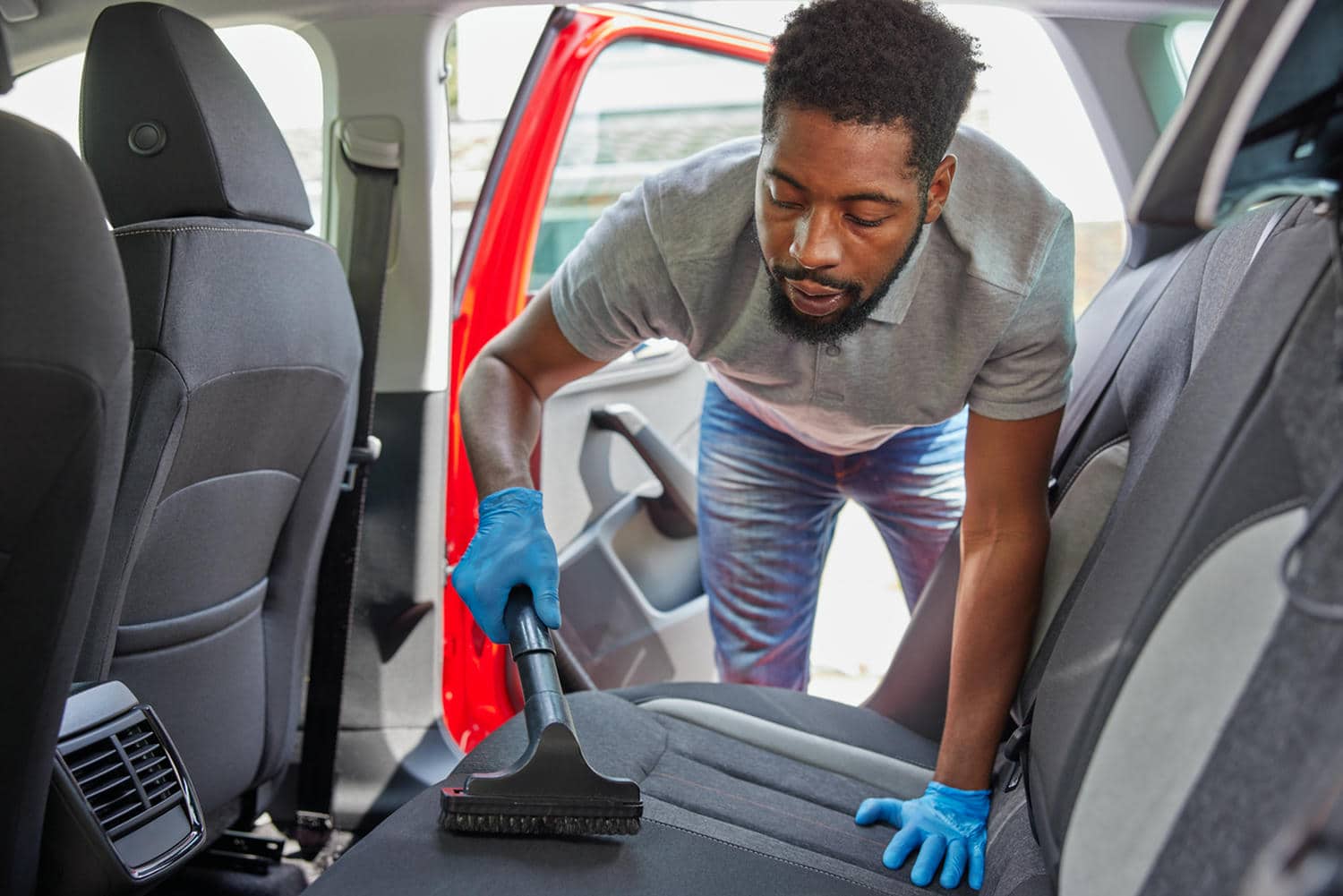
- Cleaning: Clean the car thoroughly to ensure an accurate pre-shipment condition report.
- Removal of Personal Items: Remove valuables, loose objects, and non-permanent accessories.
- Maintenance Check: Verify fluid levels, battery, and tire pressure. For inoperable vehicles, ensure special arrangements are communicated.
- Documentation: Prepare all necessary paperwork including registration, insurance, and any required permits.
What Happens During the Car Shipping Process From Pickup to Delivery?
The shipping process begins with scheduling a pickup, during which the vehicle is inspected and documented. It is then loaded securely onto either an open or enclosed carrier using specialized equipment. Throughout transit, GPS tracking and regular communication ensure transparency. Upon delivery, a final inspection is conducted, and any discrepancies are addressed immediately through the carrier’s claims process. This systematic approach, combined with robust insurance and customer support, ensures a safe and reliable shipping experience.
How Does Car Shipping Insurance Protect Your Vehicle?
Car shipping insurance safeguards your vehicle against unexpected incidents and damages during transit. It typically includes primary liability and collision coverage, ensuring that any mishandling, accidents, or road debris impacts are addressed financially. Reviewing the insurance policy before shipment is critical so that coverage limits match your vehicle’s value and any gaps are supplemented. Detailed pre-shipment documentation supports prompt and fair claims if issues arise.

What Are the Most Frequently Asked Questions About Car Shipping Services?
How Long Does It Typically Take to Ship a Car?
Shipping duration generally ranges from 3 to 7 days for standard routes, extending to about 10 days during peak periods or adverse weather conditions. Providers offer real-time tracking to monitor progress and expedited services are available at an additional cost.
What Is Door-to-Door Car Shipping and How Does It Work?
Door-to-door shipping involves the carrier picking up and delivering the vehicle directly at specified addresses, eliminating the need for terminal visits. This service is especially useful for those who value convenience and want to avoid additional travel.
How Can I Get an Accurate Quote for My Car Shipping Needs?
Providing detailed information about your vehicle, origin, destination, and preferred method through an online cost calculator helps generate precise quotes. Review all potential additional fees, such as for door-to-door or expedited shipping, and compare multiple providers for the best rate.
What Happens if My Car Gets Damaged During Shipping?
If damage occurs, document it immediately with photographs and an on-site inspection. Most reputable companies have insurance that covers damage based on your pre-shipment report. File a claim promptly with the required documentation for resolution.
Are There Any Additional Fees I Should Know About?
Additional fees may include door-to-door service charges, expedited shipping premiums, fuel surcharges, and terminal handling fees. Ask for a detailed cost breakdown before booking to avoid unexpected expenses.
What Should I Do if My Shipping Date Needs to Change?
Notify your carrier as soon as possible if you need to reschedule. Most providers offer flexible rescheduling policies, though some changes may incur a small fee. Confirm any new dates in writing to ensure clarity.

Final Thoughts
Shipping a vehicle requires careful planning, understanding of various shipping methods, and close attention to cost factors and provider reputation. By exploring options-from open and enclosed transport to door-to-door and terminal-to-terminal services-and comparing providers such as Ship A Car, uShip, and Montway, you can select a solution that meets both your needs and budget. With proper preparation, transparent pricing, and clear communication, you can ensure a secure, efficient, and satisfactory auto transport experience.
Choosing the Right Provider for Your Needs
When it comes to Car Shipping Services Compared, Ship A Car, Inc. clearly stands out as the superior choice. Unlike marketplace models that offer inconsistent service or generic shipping providers that lack personalized support, Ship A Car delivers tailored solutions with real-time tracking, comprehensive insurance, and exceptional customer service. Whether you’re moving a standard sedan, a luxury car, or a non-operational vehicle, SAC ensures every detail is handled professionally-giving you peace of mind from pickup to delivery. Backed by consistently high customer ratings and a wide network of fully licensed carriers, SAC combines reliability with transparency to make auto transport simple and stress-free. Call Ship A Car, Inc. today at (866) 821-4555 to receive a custom quote, or use the online auto transport calculator for a quick and accurate estimate tailored to your needs.
Frequently Asked Questions
Q: What factors should I consider when choosing a car shipping provider? A: Consider the shipping method (open vs. enclosed), customer reviews, pricing transparency, and extra services such as real-time tracking and insurance coverage to ensure safe and reliable transport aligned with your budget and timeline.
Q: How do seasonal trends impact car shipping costs? A: Seasonal trends affect shipping costs due to demand fluctuations. Rates are often higher during peak moving seasons or harsh weather, while off-peak bookings may offer more competitive pricing and greater carrier availability.
Q: Can I ship multiple vehicles at once to reduce costs? A: Yes, many companies offer discounts for multiple vehicle shipments, which can lower the per-vehicle cost. Ensure each vehicle is adequately insured and inquire about any extra fees.
Q: What documentation do I need to provide when shipping my car? A: Essential documentation includes a current vehicle registration, proof of insurance, a detailed pre-shipment inspection report with photographs, and any required permits. Confirm these requirements with your provider before shipping.
Q: Is it safe to leave personal belongings in my car during shipping? A: It is generally not recommended, as most auto transport insurance policies do not cover personal items. Removing valuables reduces the risk of loss or damage and simplifies the claims process in case of an incident.
*All data and car shipping rates found in this article are accurate at time of publication and subject to change.