
The Shift in Virginia’s Emissions Strategy
Virginia has made a major policy announcement by stating that it would not be adopting California’s new Advanced Clean Cars II (ACC II) pollution laws, which require a strong push toward electric cars (EVs). With this decision, the state will no longer be aligned with the strict emissions regulations imposed by California under the ACC I, which will expire at the end of 2024. By taking this action, the state is resolutely asserting its rights and demonstrating its support for a varied automobile market that gives consumers options. This section will examine the rationale behind Virginia’s choice, featuring quotes from influential individuals such as Virginia Attorney General Jason Miyares and Governor Glenn Youngkin.
The government of Governor Youngkin has made it obvious that the Commonwealth would rather forge its own course than comply with directives from nearly 3,000 kilometers away. The governor stressed that these kinds of requirements are not only unworkable but also disconnected from the realities of Virginia’s present car market and customer preferences. Attorney General Miyares, who said that the California model unfairly penalizes both customers and producers while restricting the market to a limited variety of car types, echoes this attitude by criticizing the model for being unduly prescriptive and legally overreaching. According to these viewpoints, Virginia made her choices out of respect for personal freedom and economic reality.

Federal Standards vs. State Autonomy: Navigating the Legal Landscape
Virginia chooses to return to federal emissions regulations as outlined in the Clean Air Act upon the expiration of ACC I. This tactical change draws attention to the continuous conflict between state autonomy and federal supervision when determining emissions regulations. Regarding the distribution of authority between the federal and state governments, particularly with regard to environmental protection, Virginia’s judgment provides an important case study.
Legal Foundations of Federal Emissions Standards: The Environmental Protection Agency (EPA) has a framework for regulating air quality thanks to the Clean Air Act. This federal legislation gives states the authority to enact tougher regulations if they so choose, but it also establishes minimum requirements that all states must adhere to. Virginia’s desire for softer rules following the ACC I expiry is shown by its return to these federal baselines.
Virginia’s Legal Rationale: Virginia’s Secretary of Natural and Historic Resources, Travis Voyles, outlined the state’s legal stance in a comprehensive memo. He maintained that Virginia will have more freedom to craft its own environmental policies without being constrained by the laws of other states, such as California, if it chooses to follow federal requirements after 2024.
Implications for State Autonomy: Virginia’s action may persuade other states to reevaluate the degree to which they are in compliance with federal regulations and their own emissions limits. It brings up significant issues about the boundaries of federal power and state sovereignty in environmental control. This is an important subject because it impacts how states strike a balance between environmental sustainability and economic growth.
Virginia’s return to federal standards establishes its legal limits and demonstrates its support for state sovereignty in environmental policy-making. Future decisions over state vs federal environmental authority may be influenced by this lawsuit, which might establish a precedent for other states.

Economic Implications: The Cost of Compliance
The possible economic fallout played a major factor in Virginia’s decision to reject California’s new carbon regulations. Adopting these regulations may have put a significant financial strain on the state’s economy overall, but especially on the car industry. This section explores the estimated economic fallout if Virginia chose to abide with California’s more stringent regulations.
Penalties for Non-Compliance: If Virginia had followed California’s pollution regulations, car companies selling cars that weren’t compliant may have been in serious trouble. According to estimates, each non-compliant car sold might result in fines of up to $20,000, which could total hundreds of millions of dollars for the industry.
Impact on Auto Dealers: The financial burden caused by these fines would flow down to nearby auto dealers in addition to OEMs. Higher expenses for these dealers would probably result in higher pricing for customers. Furthermore, the strain on finances can mean that there are less money available for employee incentives and wages as well as for their companies’ further growth.
Consequences for Consumers: The automobile buyers in Virginia may also be directly impacted by the enforcement of strict emissions regulations. Dealers may raise the price of new cars by passing on penalty fees to customers, which might limit the options and accessibility of the market for consumers. Because of this, it could have been especially difficult for regular customers to afford more recent, conforming vehicles.
Effects on Small Auto Dealers: Small car dealerships would likely be most affected since they are less prepared to withstand such financial shocks. Many small dealers may be forced by the cost of compliance to either close down entirely or drastically reduce operations, which would result in the loss of local employment and economic diversity.
These possible financial implications were emphasized by Governor Youngkin’s administration as being crucial to their decision-making process. Virginia hopes to save its car sector from uncontrollable financial strain by choosing not to participate in California’s rules, which would protect local companies and consumer interests. This strategy emphasizes the state’s dedication to regulatory independence and economic stability by putting the interests of its companies and residents ahead of complying with outside regulatory requirements.
Cultural and Political Reactions: Virginia’s Stance on Autonomy
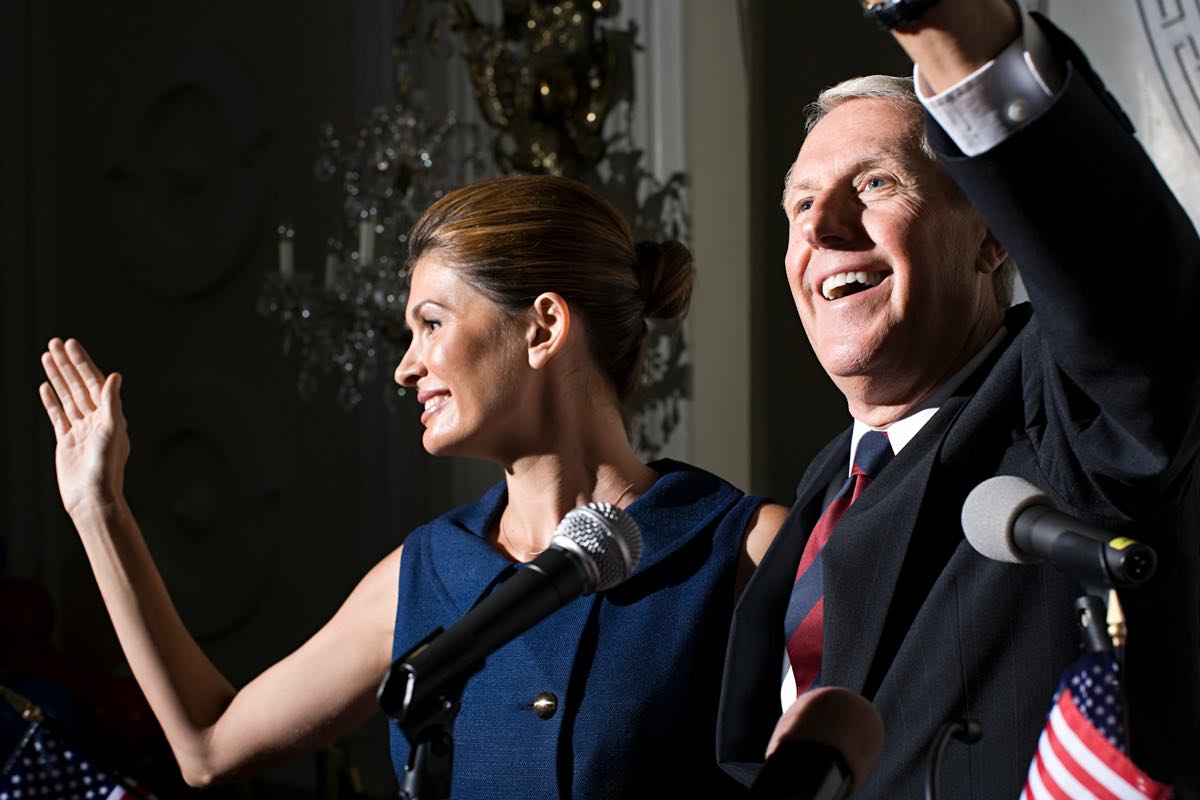
Notable are the political and cultural aspects of Virginia’s choice to follow California’s example rather than follow suit. This section will examine the views of Virginia politicians, such as Senator Ryan McDougal, emphasizing the autonomy of the state and the right to self-determination in matters of regulation. Some Virginia lawmakers’ resistance to implementing California’s upcoming emissions regulations is indicative of a more generalized ideological and pragmatic perspective about domestic vs foreign influences.
Virginia’s bold action can be interpreted as a declaration of independence that is consistent with the state’s historical heritage of managing internal matters independently of outside influence. This position appeals to a broader populist attitude that is leery of overreach by distant authority in addition to being consistent with the conservative beliefs espoused by a large number of Virginia’s legislators. Here are a few particular areas of emphasis:
Preservation of Local Decision-Making: The idea that choices pertaining to Virginians need to be made in Virginia is one that the state’s officials firmly support. It is believed that putting the needs of the people first and preserving the state’s sovereignty are mutually exclusive.
Economic Autonomy: Many in Virginia believe that the state’s ability to be flexible economically might be hampered by adhering to norms imposed from outside. It is believed that adopting California’s strict emissions regulations would put an undue financial pressure on consumers and small businesses, which might impede the state’s economic development and innovation.
Political Sovereignty: Legislators in Virginia are certain that their state shouldn’t be subject to laws created in other states, especially places as far as California. Stakeholders from all political stripes who respect Virginia’s independence in environmental and economic affairs concur with this assessment.
All of these emphasize Virginia’s larger commitment to directing its future in ways that its people, both elected and appointed, believe to be most appropriate. Therefore, the choice to reject California’s emissions regulations is about more than simply vehicles and pollution; it’s about defending Virginia’s rights in the federation and the freedom of choice of its people.

Conclusion: Emphasizing Freedom and Choice
Virginia’s determination to oppose California’s impending EV regulations is indicative of a larger dedication to upholding consumer choice and freedom in the automobile sector. This calculated action demonstrates the state’s commitment to creating a market where people may choose cars that best fit their needs without being restricted by unduly restrictive laws, regardless of their lifestyle or financial situation. Not only does the rejection of these mandates affect emissions standards, but it also demonstrates Virginia’s desire for independence in matters of regulation that directly affect the state’s economy and citizens’ well-being. Virginia hopes to preserve a balanced strategy that encourages innovation and economic progress while also taking the environment’s effects into account by giving these ideals top priority. This policy position guarantees the state’s continued status as a location that upholds and respects individual freedom of choice and market variety.

Why Ship A Car, Inc. Excels in Freighting and Vehicle Shipping
With an A+ rating from the Better Business Bureau and consistently positive client feedback, Ship A Car, Inc. is distinguished as a prominent player in the freight and automobile transportation sector. Known for their dependability and effectiveness, they provide a wide range of services designed to satisfy various transportation requirements. Ship A Car, Inc. promises affordable prices and knowledgeable assistance regardless of the kind or amount of cargo or the shipment’s destination inside the United States. Their staff of skilled transport coordinators is ready to offer individualized assistance, making sure that every client’s unique needs are precisely satisfied. Additionally, Ship A Car, Inc. is a reliable partner for both private and business shipping needs since it takes pleasure in its dedication to safety and punctuality.
FAQs About Virginia’s Emissions Policies and Ship A Car, Inc.
Q: What are the primary reasons for Virginia not enforcing the new California emissions rules?
A: For the purpose of avoiding the financial burden of penalties, maintaining consumer choice, and preserving state sovereignty in the decision-making process regarding car purchases, Virginia has chosen to opt out of California’s new emissions laws.
Q: How will Virginia’s auto market change in 2025 after ACC I expires?
A: Virginia will default to federal emissions rules after the year 2024, which would allow for greater flexibility in the sorts of vehicles that are available and might potentially increase sales of vehicles that are not electric vehicles.
Q: Why choose Ship A Car, Inc. for vehicle shipping needs across the U.S.?
A: In addition to providing individualized shipping solutions, affordable pricing, and skilled management of all freight and car shipping requirements, Ship A Car, Inc. is well-known for its dedication to ensuring maximum client satisfaction.